How To Choose Suitable Tarp Size
How To Choose Suitable Tarp Size?
When selecting tarps, choosing the right size is the most fundamental and critical step. Many users simply measure the length and width of the object to be covered, overlooking factors like overhang allowance, securing space, and usage environment. This often results in tarps that either fail to fully cover the object or are oversized and difficult to secure—compromising effectiveness and wasting resources. In reality, selecting the right tarp size isn't just about measuring length and width. It requires a scientific calculation method that integrates the covered object, usage scenario, securing method, and environmental conditions. This article will detail how to accurately choose the appropriate PVC tarp size, helping you make the right choice the first time for practical and worry-free use.

The core principle for selecting tarp dimensions is "actual coverage size + allowance for extra space". PVC tarps serve not only to cover the top surface but also to wrap and protect the sides of objects, while requiring space for securing, fastening, and wind resistance. Purchasing based solely on the object's flat dimensions will inevitably lead to issues like incomplete coverage, curling edges, and water ingress. Therefore, before measuring, first identify the type of object to be covered—whether it's a truck bed, stacked cargo, machinery, or an open-air site. Measurement methods and allowance standards vary significantly depending on the object.
For truck tarps used in freight transport, size selection directly impacts wind resistance, waterproofing, and anti-slip performance during high-speed operation. When measuring, consider not only the cargo compartment's length and width but also its height. For standard box trucks or high-sided trucks, the tarp length should extend 30–50 cm beyond the actual cargo compartment length at both ends. The width should exceed the actual compartment width by 50–80 cm on each side. This extra material drapes over the sides to prevent wind uplift during high-speed travel and blocks rainwater from seeping in along the edges.
For long-distance transport or coastal areas with strong winds, allow extra margin by reserving 80–100 cm on each side to ensure tighter coverage. For instance, with a cargo compartment measuring 6 m long and 2.4 m wide, a tarp of 7 m long and 3.4 – 4 m wide is ideal. It provides full coverage while facilitating secure fastening. Many truck drivers opt for undersized tarps to save effort, only to have their cargo exposed to rain and tarps torn by wind—a costly mistake that proves counterproductive.


For tarps used to cover stacked cargo, the key measurements are the three dimensions: the longest, widest, and tallest sides of the stack. Since cargo stacks are typically irregular, measurements must be based on the largest protruding part to prevent uncovered corners or edges. When calculating dimensions, the top surface length and width should be based on the stack's maximum dimensions. Allow for a 50–70 cm overhang on each side, with the overhang height reaching at least half the stack's height. This ensures effective protection against wind and rain from the sides.
-
Long-term Outdoor Cargo Stacks Cover
For long-term outdoor storage of cargo stacks in low-lying areas, the clearance should be increased to 70–100 centimeters to prevent water-logging and exposure to strong winds. It is important to note that cargo stacks should be covered with a single, continuous tarp whenever possible, avoiding multiple pieces joined together. Seams created by joining tarps are prone to leaks and tears, compromising the protective effect.
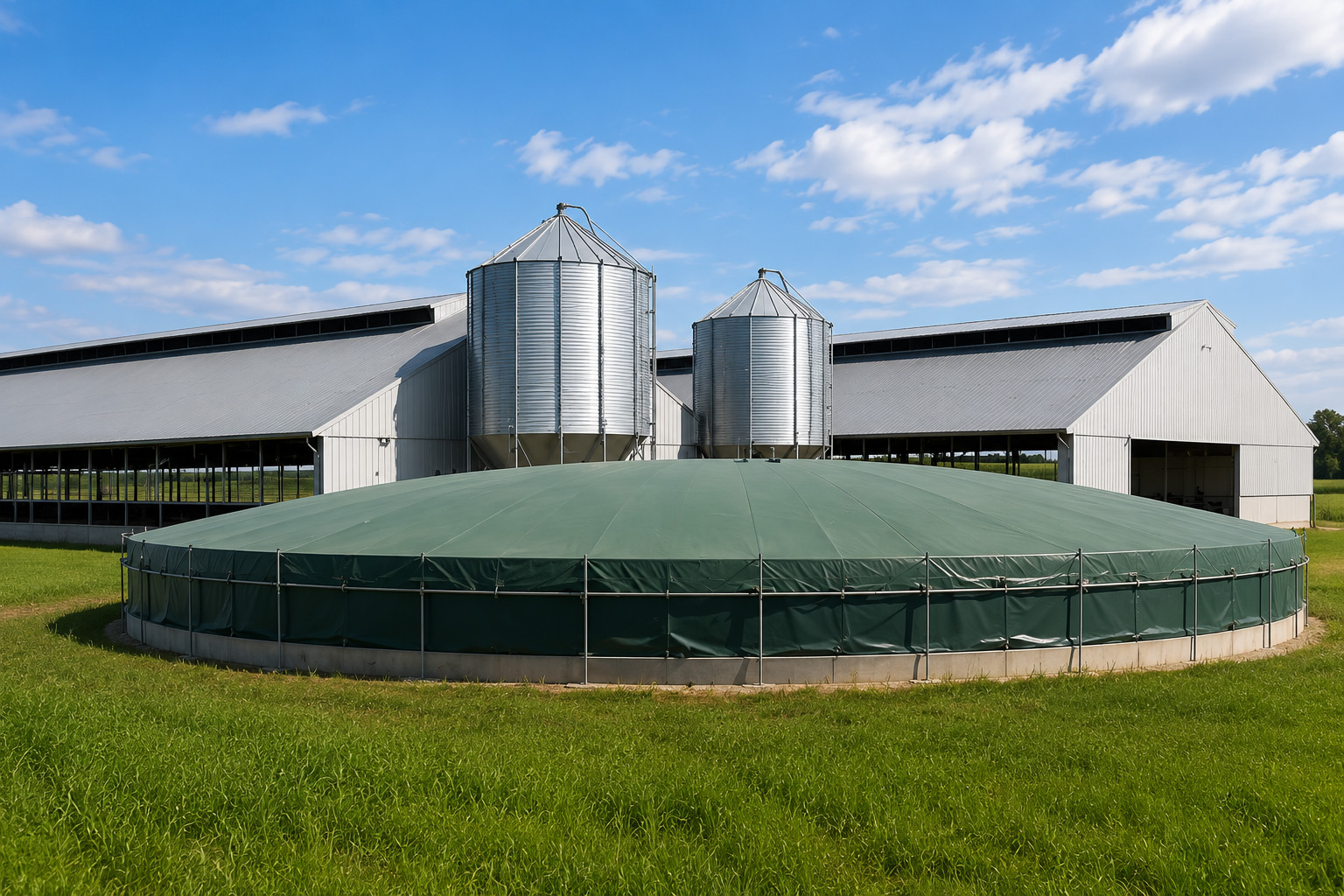
For PVC knife-coated tarps used to cover machinery and equipment or sites, measurement methods are more flexible. Equipment often features irregular edges, brackets, or protruding components. When measuring, ensure all such areas are included, adding an extra 20–30 cm to each side to prevent sharp corners from puncturing the tarp. For site coverings, measure the outer dimensions of the entire protected area, allowing at least 60 cm of excess around all sides to facilitate edge compaction and securing. For long-term fixed installations, custom sizes based on site dimensions can be ordered to avoid waste from excessive trimming.

In addition to basic measurements and allowance for installation, the method of securing the tarp also affects size selection. If the tarp will be fastened using ropes, straps, or grommets, an extra 10–20 cm should be added to the edges to accommodate grommet installation and hemming. This ensures even tension distribution during securing and prevents tearing. When using pressure strips or weights for securing, the allowance can be appropriately reduced but must not be less than 30 cm, otherwise proper compression cannot be achieved. Additionally, for outdoor use, water accumulation must be considered. The tarp should not be excessively loose or oversized, as sagging in the center can lead to pooling water, increasing the load on the tarp and accelerating aging and damage.
In summary, selecting the appropriate tarp size hinges on precise measurement, reasonable allowance, suitability for the application, and ease of securing. There is no universally best size—only the one that best fits actual needs. By adhering to the principles of "better too large than too small, moderate allowance, full coverage, and secure fastening," and conducting scientific calculations based on the usage scenario, you can choose the right tarp size on the first try. This provides stable and reliable protection for cargo, vehicles, and equipment, enhancing operational efficiency while saving costs.
Whether for daily logistics transportation, industrial warehouse covering, outdoor construction site protection, or agricultural use, mastering the correct method for selecting dimensions allows tarps to deliver maximum value while avoiding the troubles and losses caused by improper sizing. Only through rational purchasing and scientific calculation can every tarp be used with peace of mind, convenience, and confidence. Jinze Plastic Tarpaulin Manufacturer also provide customize service. If you are not sure about the tarp size, we are glad to provide any help.
Why Heavy-duty Tarp Is The Best Choice for Ultimate Protection
Which Tarp Is Best for Cover
Related Article