What Is Tarp Used For

What Is Tarp Used For?
In numerous fields such as industrial production, logistics transportation, and agricultural farming, the selection of protective materials directly impacts material safety, operational efficiency, and cost control. PVC knife-coated tarpaulin, with its outstanding comprehensive performance, has become a favored practical material across various industries.
PVC tarp is meticulously crafted using high-strength polyester mesh as the base fabric, coated on both sides with high-purity PVC paste resin through a multi-layer knife-coating process. The coating fuses seamlessly with the base fabric, free of bubbles or pinholes, offering multiple advantages including waterproofing, abrasion resistance, UV protection, and flame retardancy. This versatility makes PVC knife-coated tarpaulin widely applicable across diverse scenarios. From industrial production to civilian use, and from outdoor protection to indoor applications, it has become an indispensable auxiliary material in numerous fields.
Using tarps for truck cover


Using tarps for construction sites
On construction sites, PVC knife-coated tarpaulin can serve as temporary fencing to isolate work areas from surrounding environments, effectively reducing dust and noise to minimize disruption to nearby residents while ensuring site safety. PVC knife-coated tarpaulin can also be used to cover construction materials such as rebar, cement, sand, and gravel, preventing moisture and rain exposure that could cause clumping or deterioration, thereby maintaining the quality of construction materials.
For open-air warehouses and industrial sites, PVC knife-coated tarpaulins serve as ideal moisture-proof covers for protecting various materials such as grain, machinery, and industrial raw materials. PVC tarpaulin effectively block humidity, preventing mold growth and rust formation. Additionally, tarp serves as a dust-proof protective cover for machinery, shielding idle or maintenance-ready equipment from dust accumulation that could compromise precision and lifespan. PVC tarp can even be used to erect temporary shelters or warehouses, enabling rapid and flexible site utilization to meet the transient and dynamic demands of construction projects and industrial production.

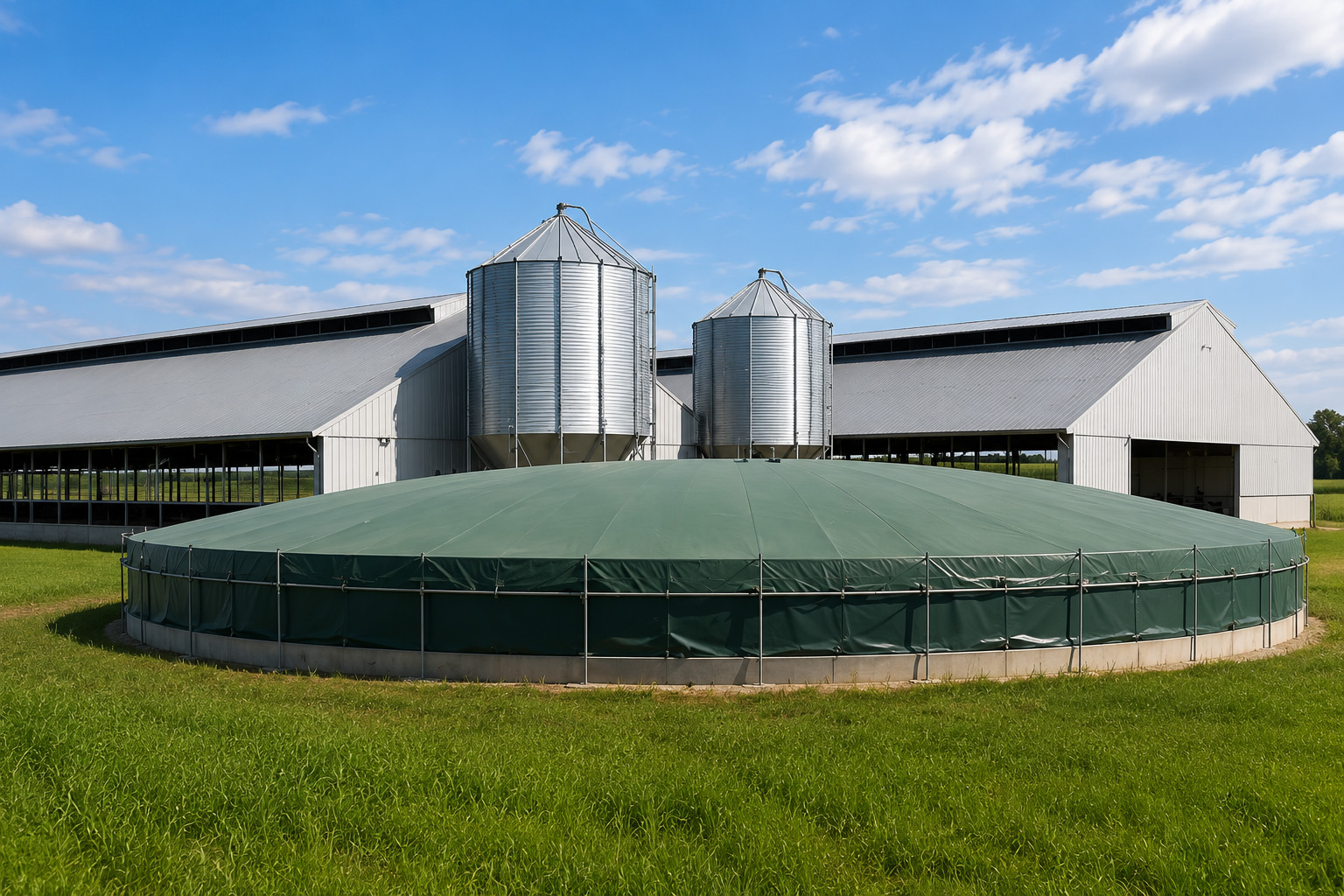
Using tarps for agricultural
In aquaculture, PVC tarp serves as a liner for breeding ponds and reservoirs, tightly adhering to the pond structure to achieve zero leakage. This effectively resolves issues such as water seepage and difficult water quality control in traditional earthen ponds, accommodating the breeding needs of various aquatic species including fish, shrimp, crabs, and shellfish. Simultaneously, tarp prevents harmful substances from the soil from infiltrating the water body, ensuring the quality of the aquaculture water.
For crop cultivation, PVC tarp can be used to cover silage to prevent moisture and mold growth. Waterproof tarp also serves as material for outdoor shade structures, shielding crops from intense sunlight and heavy rain to minimize the impact of extreme weather on plant growth.
PVC knife-coated tarpaulin can also be used for leakproofing small reservoirs and cisterns, enhancing water storage efficiency. It is particularly suitable for agricultural production and domestic water reserves in water-scarce regions. With cold resistance down to -40°C without brittleness and high-temperature tolerance, PVC tarp adapts to diverse climatic conditions. Long-term use minimizes aging and damage, reducing maintenance costs in agricultural production.


Using tarps for shelter, humanitarian relief and emergencies
PVC knife-coated tarpaulin can be used to construct outdoor sunshades, exhibition tents, and market stalls, providing shade from the sun and shelter from the rain. Colors and sizes can be customized to suit event requirements. Some silver-coated PVC knife-coated tarpaulins effectively reflect solar radiation, lowering temperatures beneath the canopy and enhancing comfort.
In various cultural and sporting events and exhibitions, PVC knife-coated tarpaulin can also serve as a backdrop or advertising banner, featuring a smooth surface and high color fidelity to meet promotional and decorative needs.
In emergency disaster relief and other critical scenarios, PVC-coated tarpaulins serve as the core material for constructing relief tents. Their windproof, waterproof, and tear-resistant properties provide stable and secure temporary shelters for affected populations. Additionally, their lightweight, transportable nature and rapid setup capabilities align with the urgent demands of emergency response operations, where time is of the essence and tasks are demanding. This enables relief efforts to gain valuable time.
Using tarps for daily life
PVC knife-coated tarpaulin finds numerous applications in daily life and other specialized fields. It serves as the fabric for rapid roll-up doors, with its abrasion-resistant and tear-proof properties meeting the demands of frequent door operation. It is also used to craft sunshades for home gardens and protective curtains for balconies, enhancing the comfort of residential living.


Using tarps for quarry and oil fields
In specialized settings like mining sites, PVC knife-coated tarpaulin can be used to cover materials such as coal and ore, preventing spillage and dust pollution. Certain flame-retardant PVC knife-coated tarpaulins can also be employed in fire-resistant applications, further expanding their utility. Additionally, PVC knife-coated tarpaulins are safe, environmentally friendly, and odorless. PVC knife-coated tarpaulin are phthalate-free and comply with industrial and civil safety standards. Their surface features strong self-cleaning and stain-resistant properties, allowing dust and dirt to be easily washed off with water for convenient maintenance. These qualities further enhance their competitive edge across diverse applications.

Which Tarp Is Best for Cover
PVC Tarp Bag Usage
Related Article