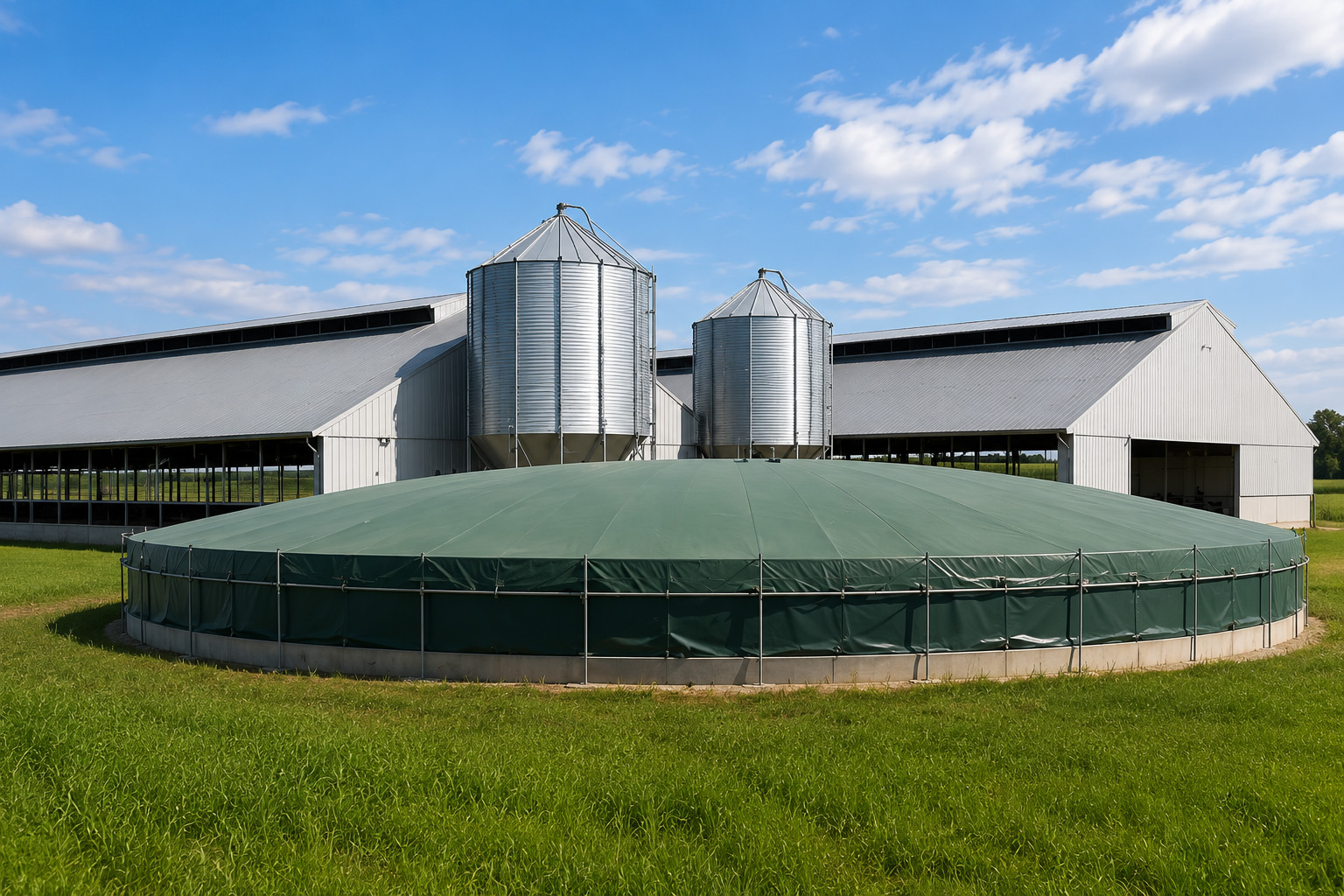
Why Heavy-duty Tarp Is The Best Choice for Ultimate Protection
Why Heavy-duty Tarp Is The Best Choice for Ultimate Protection?
In today's world of frequent extreme weather events, heightened supply chain risks, and escalating protective demands in outdoor and industrial settings, conventional covering materials can no longer meet the requirements for all-weather, high-intensity, and long-term safety. Heavy-duty tarpaulins, featuring industrial-grade materials, exceptional physical properties, and full-scenario adaptability, have emerged as the preferred protective solution across logistics transportation, warehousing and industrial operations, agricultural production, emergency response, and outdoor engineering.
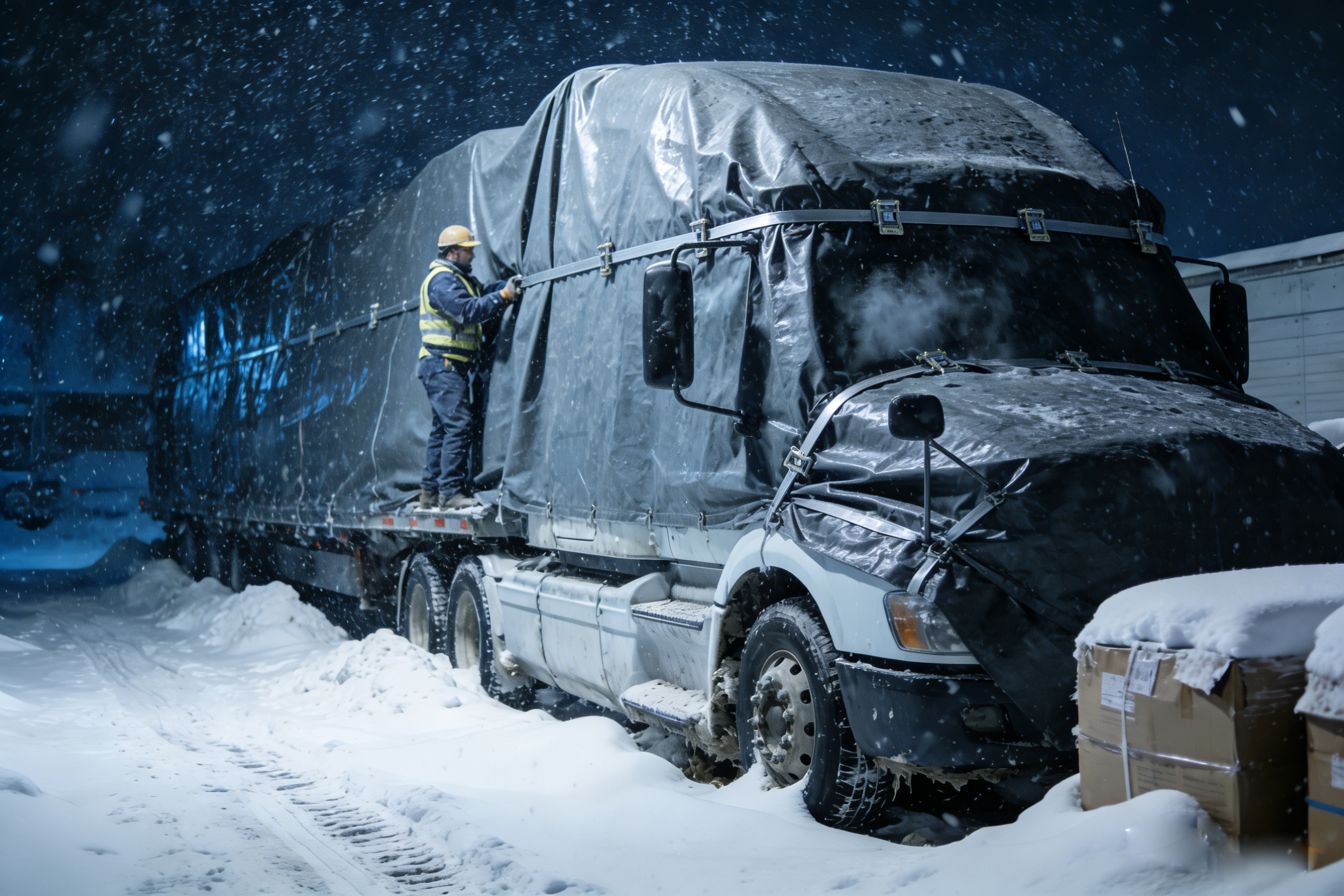
The world currently faces a complex landscape marked by the convergence of multiple challenges. The World Meteorological Organization has repeatedly issued warnings that the frequency and intensity of extreme weather events—including heatwaves, torrential rains, blizzards, and typhoons—continue to rise. In early 2026, North America endured historic blizzards that left hundreds of thousands without power, crippled logistics networks, and brought ports and warehouses to a standstill. Vast quantities of goods stored outdoors and transport vehicles suffered severe losses due to inadequate protection.
Furthermore, the advancement of industrial production standardization, agricultural modernization, and emergency response systems all impose complex requirements on protective materials—demanding waterproofing, tear resistance, weather resistance, flame retardancy, and corrosion resistance. Against this backdrop, lightweight tarps and ordinary rain covers—due to their low strength, susceptibility to aging, and poor sealing—frequently suffer from damage, leaks, and tears. Not only do they fail to provide effective protection, but they also increase replacement costs and safety risks. Heavy-duty tarps, however, precisely address the critical protection needs emerging from these global challenges.
-
Exceptional physical strength and vandal-resistant capability
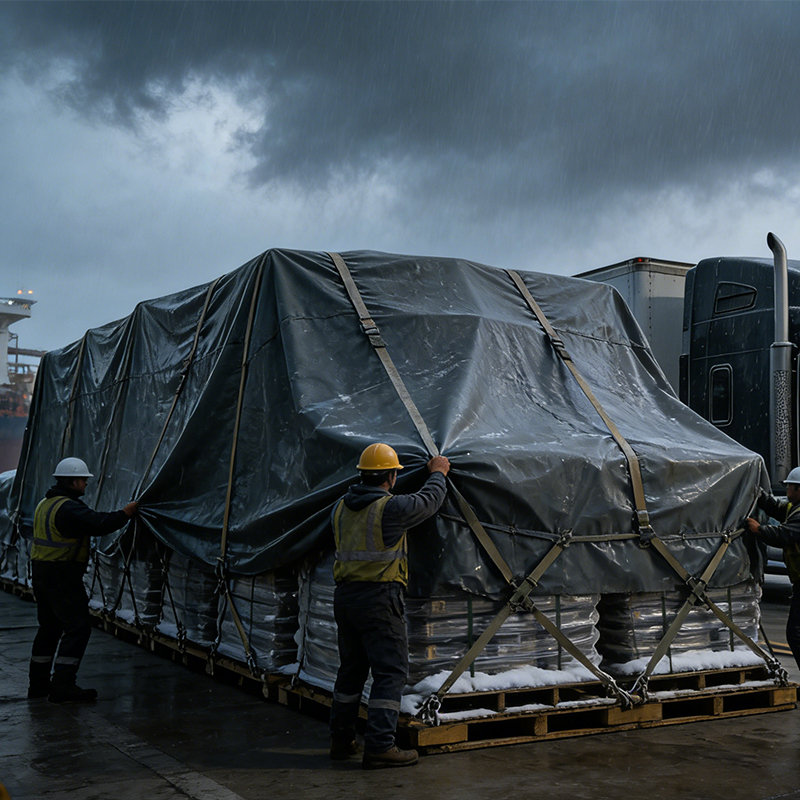
Unlike the thin base materials of ordinary tarpaulins, heavy-duty tarpaulins primarily utilize high-grammage polyester filament base fabrics combined with double-sided PVC thickened coatings, achieving weights ranging from 500 to 2000 g/m². Their tensile strength in both warp and weft directions far exceeds conventional products, with tear resistance and puncture resistance enhanced by over 50%. Whether subjected to abrasion from sand and gravel during transport, compression from heavy loads, or external impacts like blizzards, hail, and strong winds, it maintains structural integrity without tearing or cracking. Edges feature heat-sealed seams reinforced with double stitching and rust-proof metal grommets. Once secured, it distributes stress evenly and resists lifting even in winds exceeding force 10. Perfectly suited for extreme weather scenarios like typhoons, blizzards, and torrential rain, it fundamentally prevents cargo damage caused by failed coverage.
-
Unmatched durability and tear resistance
Heavy-duty tarpaulins incorporate UV-resistant and anti-aging additives during production, maintaining flexibility across extreme temperature ranges from -40°C to 80°C. They resist brittleness and fading under intense heat exposure, while remaining pliable and crack-free in extreme cold. With an outdoor lifespan of 3-5 years, they last 2-3 times longer than standard tarpaulins. With a waterproof rating exceeding 3000mmH₂O, their high-density coating forms a dense water barrier. Rain and snow roll off rapidly without penetration, effectively preventing moisture damage, mold growth, and rust. This makes them ideal for protecting humidity-sensitive goods like grain, building materials, electronic equipment, and chemical raw materials. Additionally, premium heavy-duty tarpaulins feature mold resistance, salt spray resistance, and acid/alkali corrosion resistance. They maintain stable performance in demanding environments like coastal high-salt-fog zones, industrial chemical areas, and humid/rainy regions, meeting diverse global usage requirements.
-
Superior Versatility for Any Application
In the logistics and transportation sector, heavy-duty tarpaulins are standard equipment for trucks, containers, and ships. They provide rapid cargo coverage, protecting against wind, rain, and dust to ensure the safety of cross-border logistics and long-distance transport while reducing cargo damage rates. In warehousing and industrial settings, they serve as outdoor warehouse covers, equipment protective shields, and factory partition curtains, offering fireproofing, dustproofing, and theft prevention while enhancing storage space utilization and security. In agriculture, they are used for grain drying covers, greenhouse insulation, and farm machinery protection, shielding agricultural products and equipment from weather impacts. In emergency response, it enables rapid deployment of temporary shelters, medical tents, and supply storage points, providing timely support for rescue operations following disasters like earthquakes, floods, or blizzards; In outdoor engineering, it serves as construction site fencing, equipment protection, and open-air work coverage, ensuring smooth project progress. This comprehensive adaptability makes heavy-duty tarps an ideal solution for addressing global supply chain disruptions, frequent disasters, and increased outdoor operations.
- Cost-Effectiveness and Long-Term Value
Heavy-duty tarps may have a slightly higher upfront cost, but their exceptionally long lifespan, extremely low damage rate, and minimal maintenance requirements significantly reduce replacement and repair expenses over time. Their high-efficiency protective capabilities also minimize material loss and prevent operational disruptions, ensuring business continuity during extreme weather and supply chain fluctuations—indirectly generating greater economic value. For cross-border trade enterprises, logistics companies, and industrial manufacturers, choosing heavy-duty tarpaulins means opting for more stable operations, more controllable risks, and more enduring returns.
In summary, in today's world where extreme weather has become the norm, global supply chains have grown increasingly complex, and protective requirements demand specialization, selecting heavy-duty tarpaulins is not merely a matter of material procurement. It represents a rational decision grounded in multiple dimensions—safety, stability, cost, and compliance. With its exceptional strength to withstand external impacts, all-weather durability to adapt to global environments, versatile functionality to meet diverse needs, and high cost-effectiveness to deliver long-term value, it perfectly aligns with the core protective demands emerging from current global challenges.
How to Clean and Deploy Your Flatbed Trailer Tarp
How To Choose Suitable Tarp Size
Related Article