Is Tarp Tent Waterproof
Is Tarp Tent 100% Waterproof ?
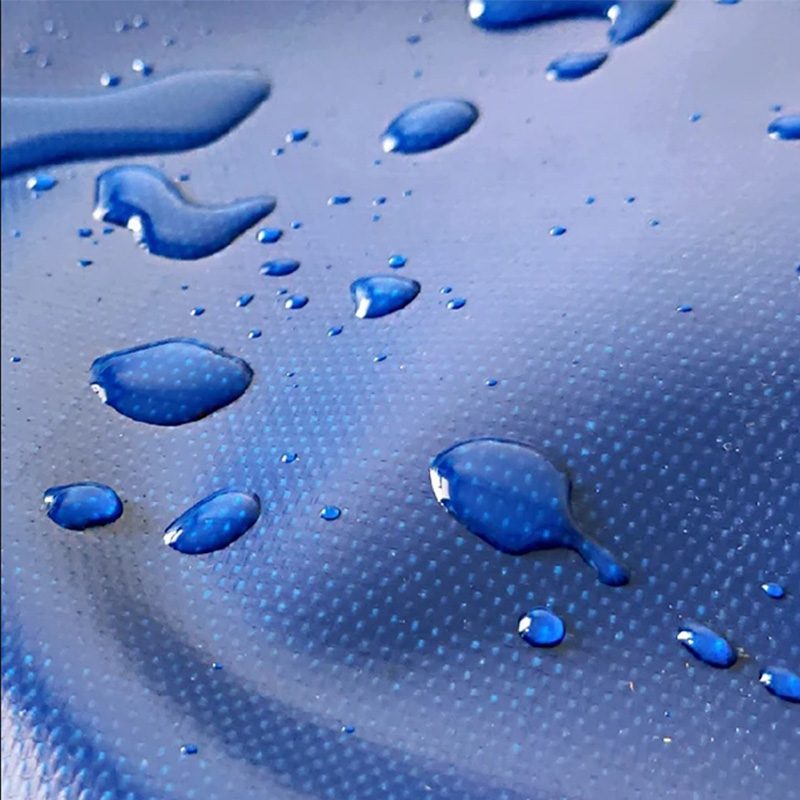
For outdoor enthusiasts, camping professionals, or those needing temporary storage solutions, the waterproof performance of canvas tents remains a core concern. With their durable materials, easy setup, and wide range of applications, they are widely used in camping, construction site accommodations, material protection, emergency shelters, and more. Many people instinctively ask when purchasing: Are canvas tents 100% waterproof? The answer is clear—no tarp tent can achieve absolute "100% waterproofing." Its water resistance depends on multiple factors, including material composition, manufacturing techniques, setup methods, and environmental conditions.
The "waterproofing" of canvas tents essentially refers to "water resistance" rather than complete moisture isolation. Its core relies on the density of the canvas material, surface waterproof treatment, and the tent's structural sealing. Canvas tents on the market can be categorized by material into canvas tarps, PVC tarps, PE tarps, Oxford cloth tarps, etc. Different materials have varying waterproof foundations, resulting in noticeable differences in waterproof performance. This is one of the core factors determining whether a canvas tent can effectively "keep water out."
Canvas tarpaulin tents
Canvas tarpaulin tents are traditional in style, typically made from natural fibers like cotton or hemp. After undergoing waterproofing treatments such as wax dipping or resin coating, they offer a certain degree of water resistance. The advantages of this tent include excellent breathability, durability, and the ability to withstand light to moderate rain. However, its drawbacks are equally evident—the limited density of natural fibers means prolonged exposure to rain or heavy downpours may allow water to seep through the gaps between fibers. This issue becomes more pronounced over time, especially as the waterproof coating ages and deteriorates.
Moreover, canvas itself absorbs water, becoming heavier and stiffer when exposed to rain. This not only shortens the tent's lifespan but may also cause the support structure to deform due to increased weight, indirectly increasing the risk of leaks. Therefore, canvas tarpaulin tents can never achieve 100% waterproofing.
PVC tarpaulin tents
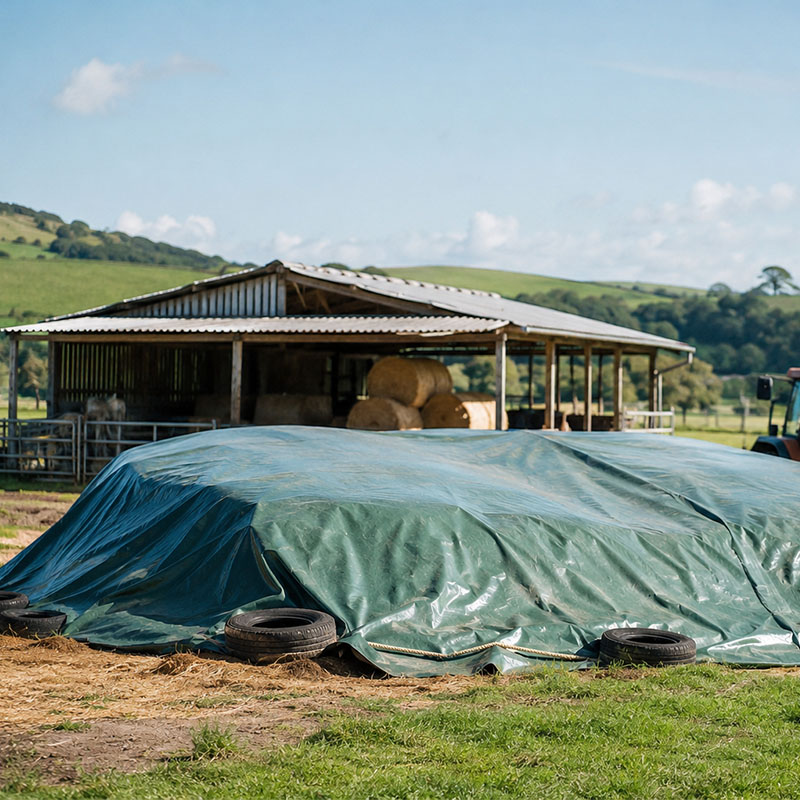
PVC tarpaulin tents are among the most widely used styles today. Made from polyvinyl chloride, uv resistant tarps are inherently water-resistant. Their surfaces undergo thickening and lamination treatments, resulting in exceptional density and waterproofing performance that far surpasses canvas tarpaulins. High-quality PVC tarpaulin tents achieve waterproof ratings exceeding 1000mm, effortlessly withstanding heavy rain and downpours. PVC knife-coated tarps tent can even endure short-term immersion in standing water, making them the top choice for outdoor camping and temporary construction site accommodations.High-quality tents feature heat-sealed seams, where two pieces of canvas are fused together to create a seamless, highly watertight connection.
PE tarpaulin tents
PE tarpaulin tents are budget-friendly options made of polyethylene. They are inexpensive and lightweight, typically featuring a waterproof coating on the surface. Their water resistance is average, suitable only for light rain. This canvas material is relatively thin and lacks durability, making it prone to damage with prolonged use. The waterproof coating also tends to peel off easily, resulting in a high likelihood of leakage during moderate to heavy rain. It is primarily used for temporary storage, short-term camping, and other scenarios with low waterproofing requirements. Clearly, it cannot meet the demand for "100% waterproofing."
Oxford cloth tarps tents
Oxford cloth tarps are designed for lightweight portability, typically made from polyester or nylon. After undergoing waterproof treatments like PU or silicone coatings, they offer moderate water resistance. Suitable for hiking, camping, and short trips, they can handle light to moderate rain. However, during heavy downpours or prolonged exposure to rain, they may still leak—especially thinner-coated Oxford cloth tarps, which carry a higher risk of water seepage.
When evaluating the waterproof performance of a tarp tent, focus instead on two core metrics: waterproof rating and hydrostatic head. Waterproof rating is typically measured in millimeters (mm). Higher values indicate superior water resistance. For example, a 1000mm rating means the fabric can withstand a 1000mm water column without leakage. For outdoor camping, choose tents with a waterproof rating of ≥1000mm; in extreme conditions, opt for ratings above 2000mm. Static water pressure indicates the maximum water pressure the tarp can withstand. Higher static water pressure ensures better waterproof stability. A high-quality tarp tent should have a static water pressure rating of ≥2000Pa to handle complex outdoor weather conditions.
So, how can we enhance the waterproofing capabilities of canvas tents and reduce the risk of leaks? It's actually quite simple—just follow these key steps:
- First, when purchasing, prioritize materials with excellent waterproofing properties like PVC or thickened Oxford cloth. Pay close attention to details such as seam construction and waterproof stitching to avoid low-quality products.
- Second, during setup, strictly follow the manual to ensure the tent is taut and properly sealed. Apply waterproof tape to seams and zippers where necessary for added protection.
- Third, when using outdoors, avoid low-lying areas prone to water accumulation. Set up the tent with a slight drainage slope to prevent rainwater pooling.
- Fourth, for routine maintenance, promptly air-dry the tent after rain exposure before folding and storing to prevent mold growth and coating peeling. Repair any scratches or tears in the fabric immediately using specialized repair glue and patches to extend its lifespan. When storing the tent long-term, keep it in a dry, well-ventilated environment, shielded from direct sunlight and moisture exposure.
What Type of Tarp Is Most Fireproof
What Is The Difference Between PE Tarp And PVC Tarp
Related Article