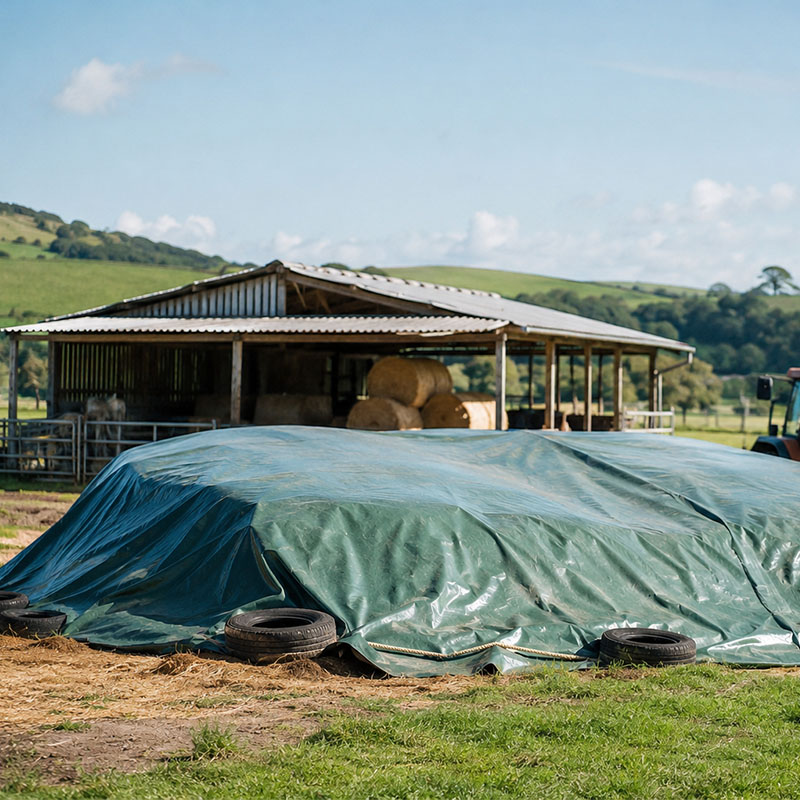
What Is The Difference Between PE Tarp And PVC Tarp
What Is The Difference Between PE Tarp And PVC Tarp?
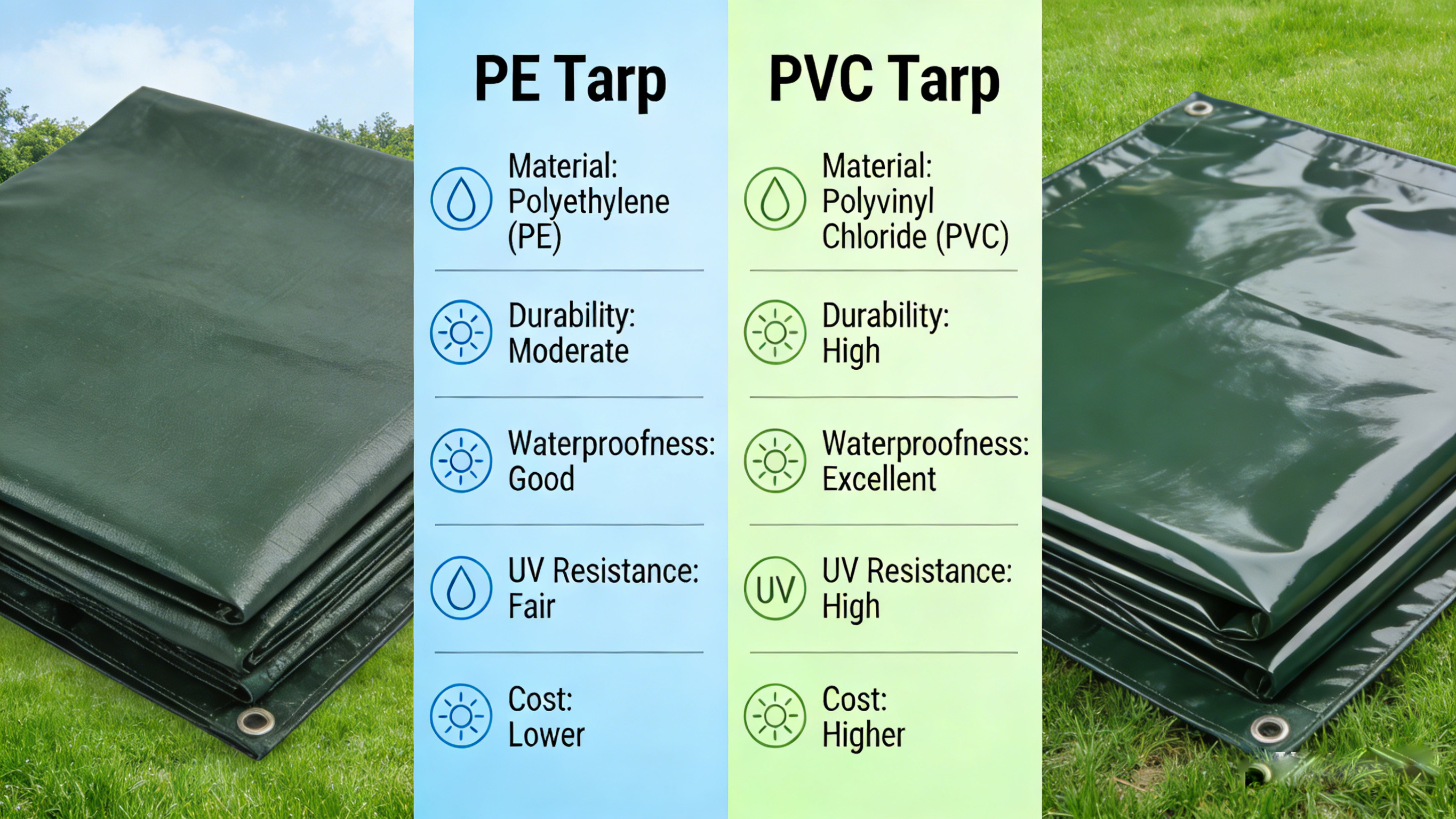
PE TARP
PE tarpaulins use polyethylene as their core material, specifically employing HDPE high-density polyethylene woven fabric as the base. After undergoing filament drawing and circular weaving, the fabric receives double-sided PE lamination. This overall process is straightforward, representing a basic coating technique. The adhesion between the coating and the base fabric is relatively weak, making it prone to peeling issues. The commonly seen striped tarpaulins on the market are typical examples of PE tarpaulins, characterized by low production barriers and high mass production efficiency.
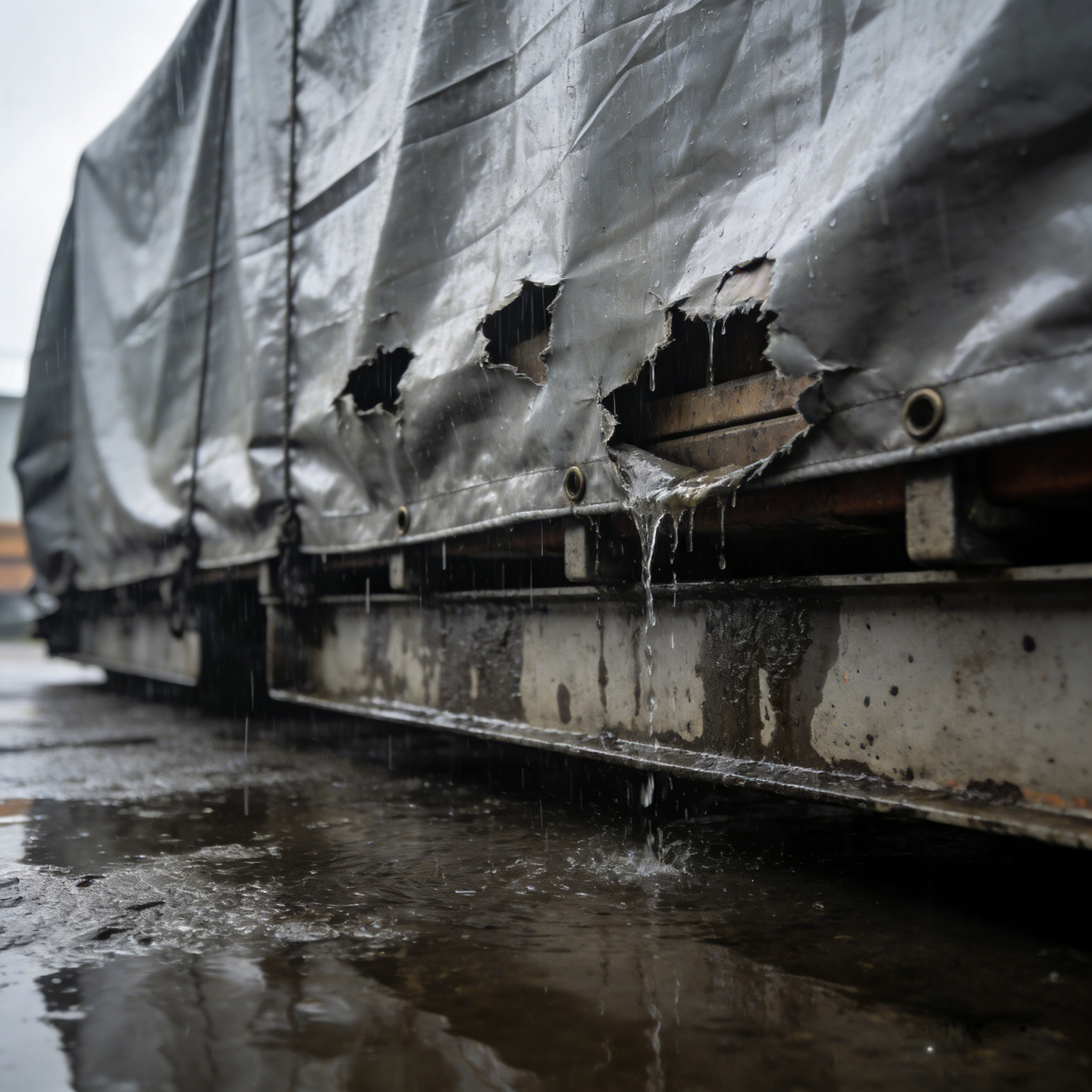
In waterproof, PE tarps relies on the integrity of their surface coating for waterproofing. This coating is thin and prone to wear, often breaking down after repeated folding or friction. This leads to water seepage, making PE tarps suitable only for short-term, light-duty waterproofing needs.
PE tarps lacks sufficient toughness and are prone to tearing under tension, particularly at edges and seams. Prolonged outdoor exposure causes rapid aging and brittleness, resulting in a significantly shorter service life compared to PVC knife-coated tarps.
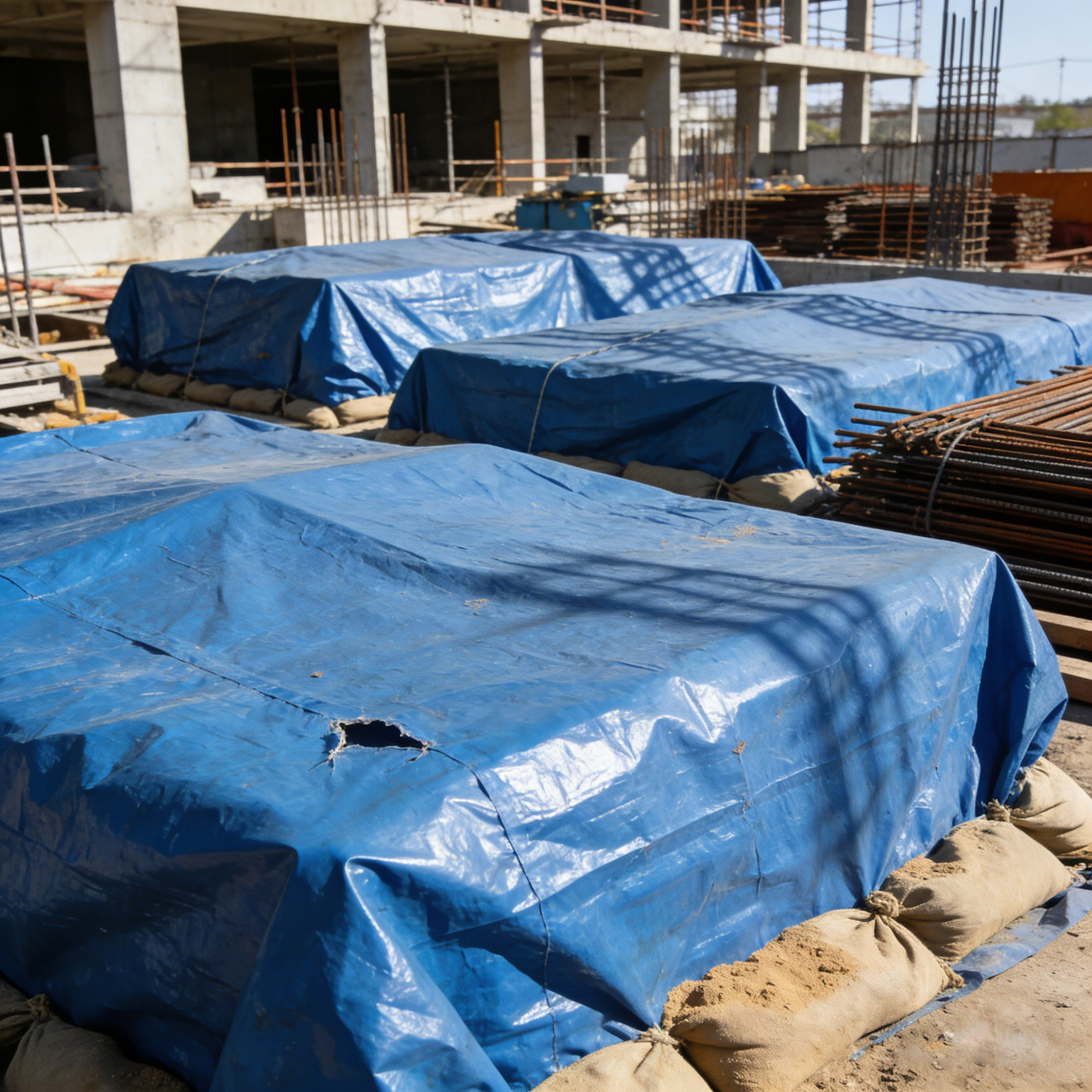
However, PE tarpaulins are lightweight, with a basis weight ranging from 90gsm to 230gsm. They are easy to fold and transport, offering high operational convenience. The raw materials are non-toxic and odorless, recyclable, and cause minimal pollution during production and use, making PE tarp more environmentally friendly. Additionally, PE tarpaulin demonstrate outstanding cold resistance, maintaining flexibility even in ultra-low temperatures of -70°C, making PE tarp suitable for low-temperature applications.
In a word, PE tarpaulins, characterized by their lightweight, low-cost, and eco-friendly properties, are ideal for temporary covering and short-distance applications. These include dust and rain protection for temporary material storage at construction sites, temporary shelters for outdoor events, short-term crop coverage, and cargo protection during short-distance logistics.
PVC TARP
PVC knife-coated tarpaulin represents a premium industrial-grade category of tarpaulins. It utilizes high-strength polyester mesh fabric as the base material, to which a high-purity PVC paste resin is applied. This resin is blended with UV stabilizers, anti-mildew agents, flame retardants, and other additives. The coating penetrates deeply into the polyester fiber gaps. After cooling and forming, the base fabric and coating fuse seamlessly without bubbles or pinholes. The production process is complex, with far higher demands on equipment and raw materials than PE tarpaulins.
In terms of waterproof performance, PVC knife-coated tarpaulins achieve 100% waterproofing through the advantages of the knife-coating process, with water pressure resistance exceeding 2000mm water column. Even when subjected to prolonged exposure to heavy rain or standing water, they remain impervious to penetration, delivering long-lasting and stable waterproofing.
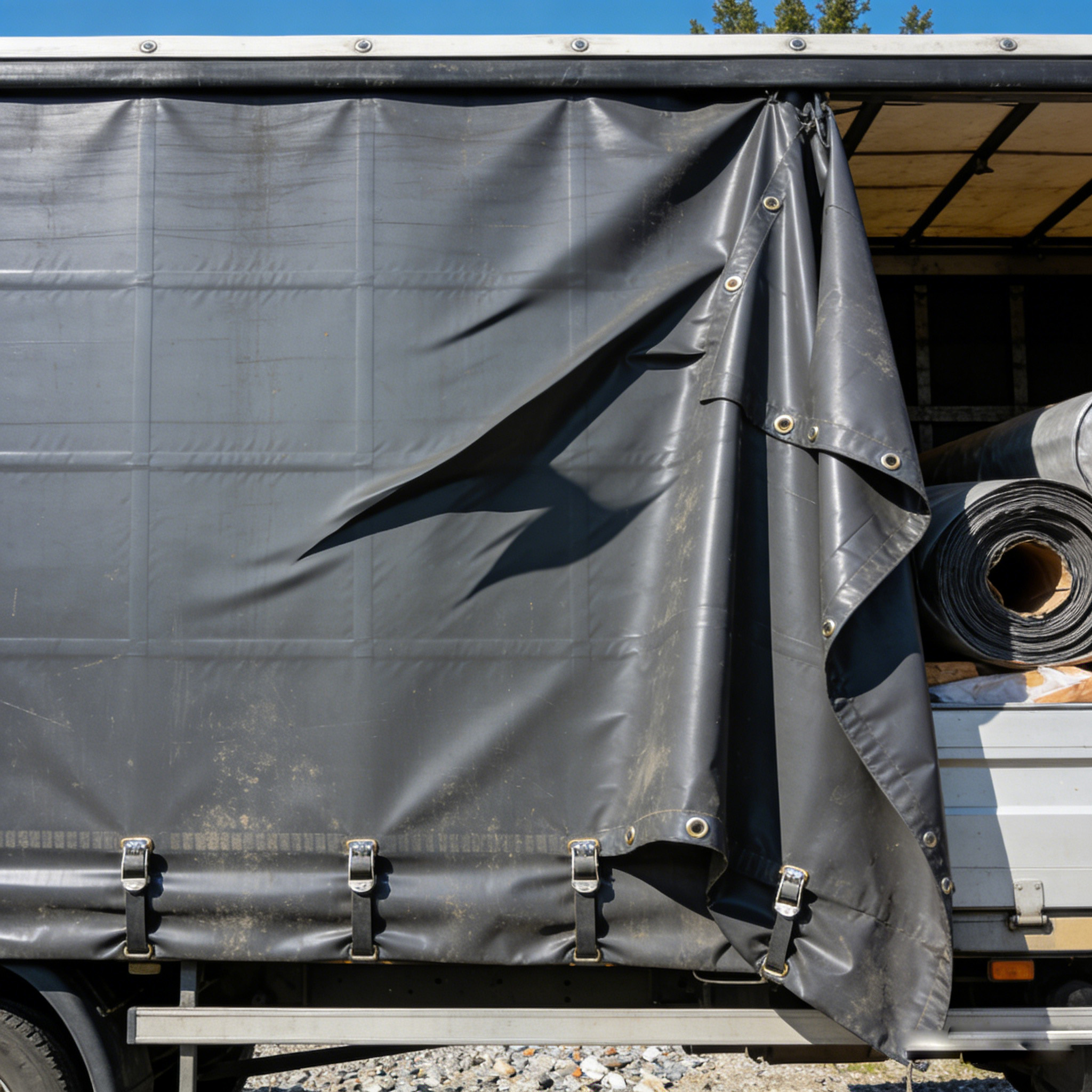
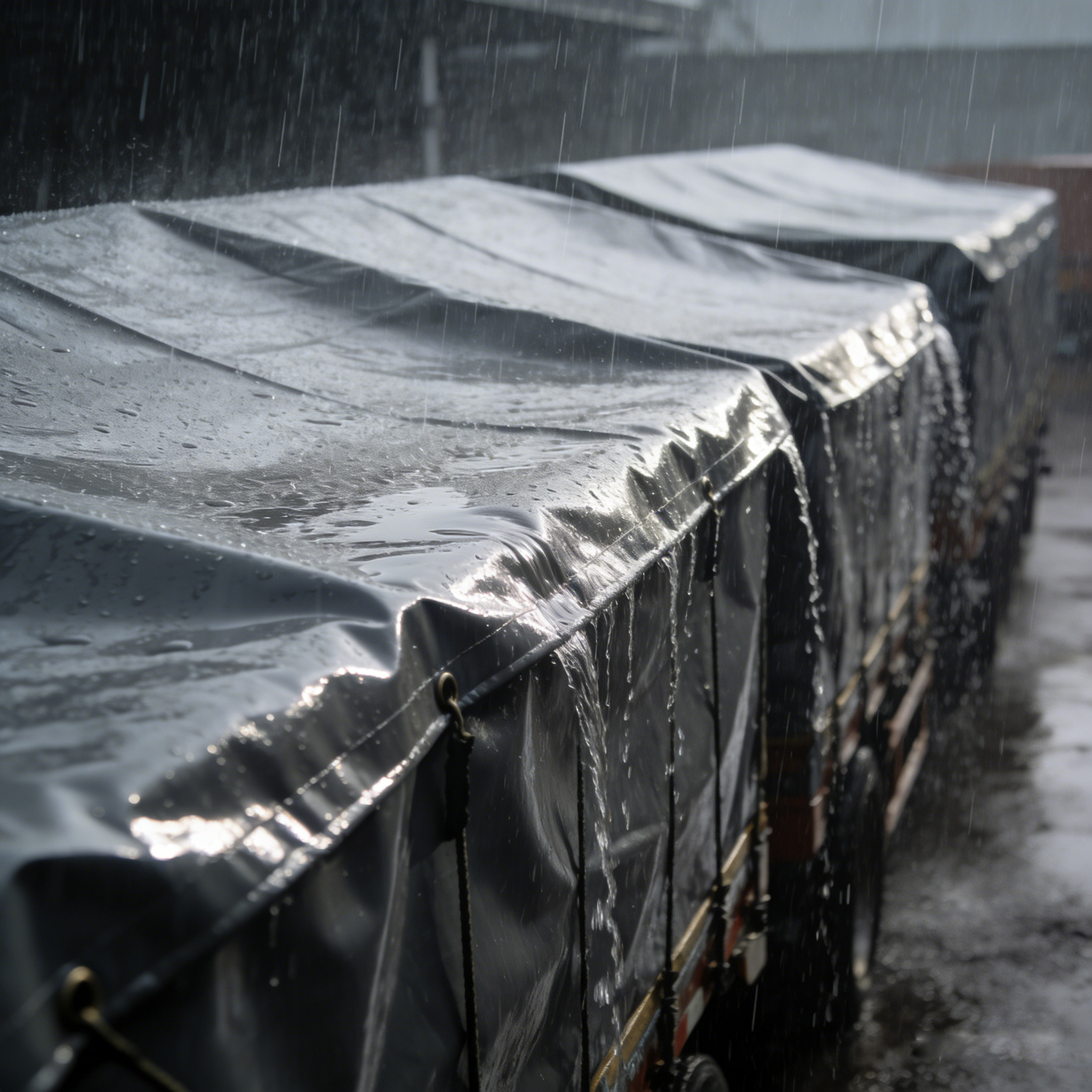
In terms of durability, PVC knife-coated tarpaulins exhibit a tear strength in the warp direction exceeding 2100N/5cm, with some industrial grades reaching up to 6500N/5cm. Polyvinyl chloride knife-coating tarp offer exceptional resistance to tearing and abrasion, coupled with outstanding aging resistance and mold prevention. These properties ensure long-term performance stability even under intense outdoor UV exposure.
PVC knife-coated tarpaulins feature a relatively high weight, typically ranging from 600gsm to 1000gsm. Their substantial weight requires more manpower for handling and installation. Additionally, due to the presence of chlorine in the raw material, harmful substances may be released during production. PVC tarp are not readily biodegradable, resulting in relatively poor environmental performance. Its temperature adaptability is moderate, functioning in environments as low as -20°C. However, it softens and deforms at temperatures exceeding 60°C and becomes slightly stiff in cold conditions.
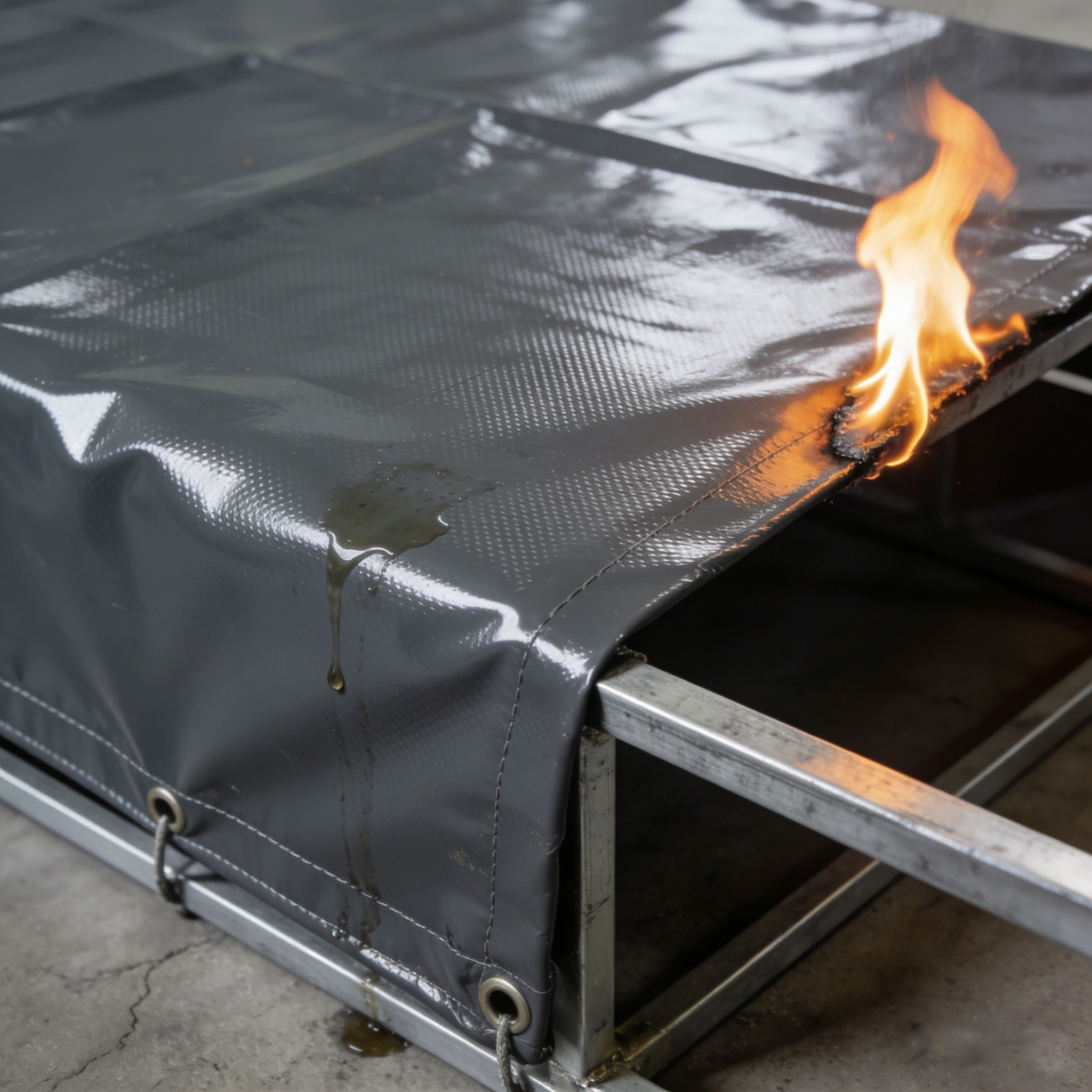
Furthermore, PVC knife-coated tarpaulins possess fire-retardant and self-extinguishing properties, along with chemical corrosion resistance—features absent in PE tarpaulins. PVC tarp withstand exposure to oils, greases, and weak acids/alkalis, offering greater versatility across diverse applications.
All in all, for short-term use and temporary protection where portability and procurement costs are priorities, and environmental considerations are important, PE tarpaulins are a suitable choice. For long-term use and industrial-grade protection where waterproofing, durability, and adaptability to various scenarios are key—even with a higher budget—PVC knife-coated tarpaulins offer better value for money.
Is Tarp Tent Waterproof
Why Tarp is Waterproof
Related Article