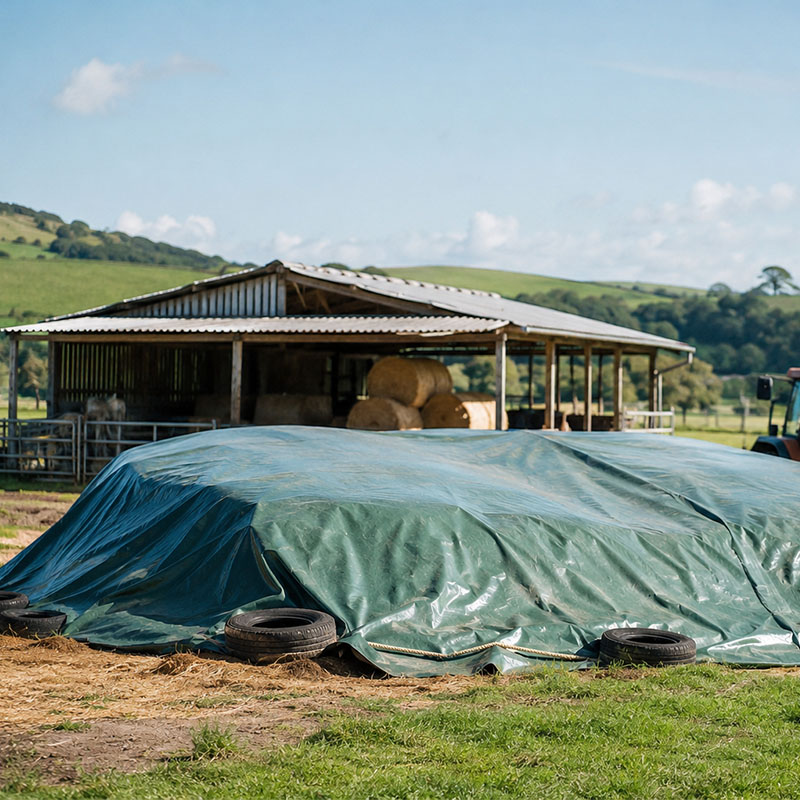
A Tarp
A tarp?
In modern production and daily life, there exists a seemingly ordinary yet ubiquitous material—it shields truck cargo from wind and rain, builds temporary shelters for campers, and provides life-saving protection during disasters. This is PVC knife-coated tarpaulin, a material that combines strength and resilience. As a high-strength waterproof material, tarpaulin permeates diverse sectors—from industry and agriculture to outdoor recreation and emergency response—thanks to its versatile materials and flexible properties. PVC tarp has become an indispensable "jack-of-all-trades" in people's daily lives and work.
PVC tarp is really a all-round material. So it is exactly suitable for ground sheet. From the perspective of material classification, the PVC tarpaulin covers various type, each with unique advantages and suitable scenarios. PE tarpaulin is the cost-effective choice, made from high-density polyethylene. It is lightweight and easy to transport, highly flexible, waterproof, and UV-resistant, ideal for truck bed covers, crop protection, and temporary storage. Can be installed by a single person, significantly reducing labor costs.
PVC tarps represent high strength, woven from polyester filament and coated with polyvinyl chloride. They offer high tensile strength, abrasion resistance, and corrosion resistance, along with fireproof and cold-resistant properties. Commonly used for temporary construction site shelters, ship cargo covers, and industrial equipment protection, they achieve nearly "watertight" waterproofing.
PP tarps emphasize eco-friendly and portability. Made from polypropylene resin, they withstand high temperatures, clean easily, and pose no environmental harm. Ideal for agricultural/horticultural coverings and temporary packaging. Polyester tarps represent the premium choice, excelling in tear resistance and UV protection while maintaining breath-ability. They serve as the ideal material for outdoor tents and high-end automotive covers, ensuring protection while allowing internal air circulation.
Beyond material variations, the core performance of tarpaulin is determined by several key parameters. Yarn count indicates thread thickness—such as 32S single yarn or 42S/3-ply yarn—directly affecting fabric strength. Density refers to the number of warp and weft threads per 10 centimeters; higher density yields tighter canvas with superior waterproofing and wind resistance. Accurate data can be obtained through direct counting or indirect testing methods. Grammage (weight per square meter) and thickness correlate with durability.
Heavy-duty PVC tarps can weigh over 500 grams per square meter with thickness exceeding 2 millimeters, making them suitable for long-term outdoor use. Lightweight PE tarps weigh as low as several dozen grams, offering portability for short-term, lightweight applications. Additionally, waterproof performance is measured by static water column height, with 1500-2000mm ratings capable of withstanding heavy rainfall. UV resistance, heat tolerance, and cold resistance determine the tarp's lifespan in diverse climates, while UV-treated products maintain durability against prolonged sun exposure without degradation.
In practical applications, the versatility of tarpaulins is fully demonstrated. In industrial settings, they serve as the "guardians" of cargo transportation—large tarpaulins cover goods in flatbed trucks, shielding them from wind, sun exposure, and damage from jostling; ships use heavy-duty tarpaulins to withstand seawater corrosion and the impact of sea winds. In factory warehousing, PE tarps enable rapid construction of temporary storage to address space shortages; PVC tarps are used to store precision electronic components, shielding them from dust and moisture. In daily life, tarps become outdoor companions: cotton tarps offer excellent breathability for camping sleep; nylon canopy tarps are lightweight and easy to set up, providing shade and rain protection for picnics; colorful picnic mats not only insulate against ground moisture but also enhance the leisure atmosphere. For home protection, tarps can wrap furniture to prevent scratches during moves, or be crafted into balcony awnings to block direct sunlight in summer and assist window insulation in winter.
What's even more noteworthy is that in specialized fields, tarpaulins can serve as both "emergency first responders" and "promotional experts." During natural disasters, they swiftly establish temporary shelters and medical stations, providing refuge and treatment spaces for affected populations. Fire-resistant tarps can cover flammable materials, aiding in fire prevention and control. In commercial settings, the smooth, flat surface of tarps clearly displays advertising graphics and slogans. Large tarp advertisements at mall entrances and promotional posters at exhibition sites leverage their low-cost, easy-installation advantages to become key tools for attracting foot traffic.

Today, driven by environmental awareness and technological advancements, tarp products continue to evolve. Recyclable materials reduce environmental impact, while customizable colors and sizes meet personalized needs. Specialized treatments like flame retardancy and antimicrobial properties further expand their applications. From essential industrial safeguards to everyday convenience tools, and even emergency safety barriers, tarps consistently deliver reliable support for production and daily life through their versatile performance and broad adaptability. They stand as a low-key yet vital foundational material in modern society.
We also offer waterproof tarpaulin rolls, ideal for large-scale projects. These rolls are easy to cut and can be customized to meet your specific needs. Whether you're a contractor working on major construction projects or a farmer needing to cover large areas of land, our waterproof tarpaulin rolls provide flexibility and efficiency.
What Are Tarps Made Of
Features of Different Tent Tarp
Related Article