Features of Different Tent Tarp
Retractable awnings serve as essential outdoor structures for sun protection and rain shelter, with the choice of awning fabric directly impacting performance and longevity. Based on material properties and waterproof ratings, retractable awning fabrics are primarily categorized into the following types, each emphasizing distinct performance characteristics, cost considerations, and application scenarios.
PVC coating tarpaulin is the main stream choice in producing retractable tent. It uses high-strength polyester fabric as basic fabric and manufactured by coating polyvinyl chloride (PVC) paste resin with chemical additives and subjecting it to high-temperature plasticization. This type of tarpaulin typically weighs between 480-700 g/m², with a thickness of 0.5-0.8 mm. Its waterproof rating exceeds 3000 mm, and some premium products surpass 5000 mm, easily withstanding heavy rainstorms. For instance, in a specific project case, a 0.6mm-thick PVC-coated fabric underwent a continuous 3-hour heavy rain test without any leakage. It also demonstrated excellent UV resistance, effectively blocking over 90% of ultraviolet rays to delay tarp aging. Additionally, PVC-coated fabric offers corrosion resistance and tear strength, with a service life exceeding 8 years. It is widely used in logistics parks, commercial plazas, and other outdoor environments requiring long-term exposure.
PVC coating tarp is high UV protection performance, with UV-resistant coating treatment (available for both PVC and PU materials). Resists brittleness under prolonged sun exposure, making it ideal for fixed sunshade applications such as carports and window/door shades.
PVC Knife-coated fabric represents an upgraded version of PVC-coated fabric, boasting a tear strength of up to 500N/5cm—far exceeding that of ordinary tarpaulins. Through a specialized process, PVC paste is directly scraped onto the base fabric surface to form a uniform, dense coating. This not only achieves a waterproof rating exceeding 3000mm but also delivers superior abrasion resistance and wind resistance. For instance, a PVC knife-coated fabric retractable canopy deployed in a coastal region withstood a Category 12 typhoon without structural damage, sustaining only minor surface abrasions—a testament to its durability. This material is frequently employed in high-stress applications such as large-scale exhibitions and sports venues.

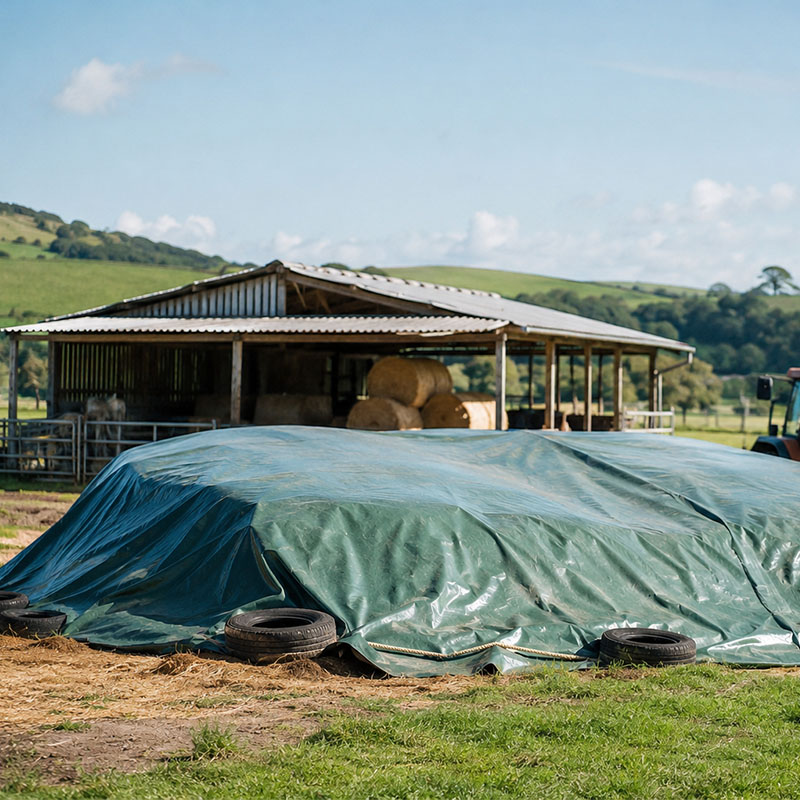
PE tarps are renowned for their affordability and practicality. Manufactured by weaving polyester fabric, adjusting the color, and then applying a coating, they typically offer a waterproof rating between 1200-2000mm, making them suitable for withstanding daily rainfall. Priced at only one-third to one-half of PVC-coated fabrics, these tarps exhibit relatively weaker weather resistance. Prolonged exposure to UV rays or extreme weather conditions can cause them to age and become brittle. Consequently, PE tarps are primarily used in temporary or low-cost scenarios, such as construction site storage sheds or farmland coverings. For instance, PE tarps used by a certain agricultural cooperative exhibited noticeable fading and cracking after just three months of summer heat exposure, necessitating regular replacement.
Silicone-coated canvas has carved out a niche in specific applications due to its abrasion resistance and UV protection. Its single-sided coating process endows the fabric with exceptional wear resistance, while heat-sealed edges further enhance structural stability. This type of canvas achieves a waterproof rating exceeding 2000mm and features self-cleaning properties—rainwater rinses away most dust, reducing manual cleaning costs. For instance, silicone-coated canvas used in retractable shelters at an oilfield remained surface-clean during sandstorms without showing signs of abrasion or tearing. This material is widely deployed in high-abrasion environments like oilfields and docks.
A good tarp should possess these functions:
1. Sun protection: Blocks 90%-100% of UV rays, lowers indoor temperature (saving on air conditioning costs), protects furniture from fading, and provides soft, glare-free light.
2. Rain and waterproof: PVC/PE materials are completely impermeable. Seams are properly sealed (heat-sealed or taped), ensuring no leaks during heavy rain (essential for truck tarps).
3. Weather-resistant and durable: Withstands high temperatures (PVC is heat-sensitive, while polyester is more stable) and low temperatures (silicone-coated fabric usable down to -40°C). Professional-grade polyester fabric lasts over 5 years.
4. Wind and Dust Resistance: Curved design minimizes wind resistance. Reinforced edging + rustproof grommets (withstands strong winds). Excellent sealing prevents dust ingress.
5. Easy Maintenance: Clean with neutral detergent (avoid alkaline cleaners). PVC knife-coated fabric wipes clean instantly. UV protection gradually diminishes with prolonged use.

When selecting tarpaulins for retractable awnings, it is essential to comprehensively evaluate waterproof ratings, durability, and cost based on actual requirements. For long-term use with ample budget, PVC-coated fabric or PVC knife-coated fabric is the ideal choice. If budget is limited and waterproofing demands are low, PE tarpaulins offer better value for money. In scenarios requiring extremely high abrasion resistance, silicone-coated canvas provides more reliable protection. Regardless of material selection, ensure tarps are purchased through authorized channels and pay close attention to core specifications such as waterproof rating, UV resistance, and flame retardancy to guarantee both safety and performance.
For daily maintenance, we recommend paying attention to several points. Avoid sharp objects causing scratches; take precautions during use and storage to prevent the tarp from being punctured by sharp items. Clean promptly and wash dust and stains regularly to prevent long-term buildup from damaging the material; use soft tools and mild detergents for cleaning. Keep the tarp dry and well-ventilated. Allow it to air dry completely after washing before storing to prevent mold growth from moisture. When storing, roll it up and place it in a dry, ventilated area away from direct sunlight. Conduct regular inspections, focusing on high-wear areas such as rust on canopy poles, sharp corners of the cargo box, and welded joints. Sand down worn areas promptly or protect them with tarp tape. Avoid using ratchet straps directly on the tarp. When storing, take precautions against rodents and insects to prevent damage from gnawing.
A Tarp
What is PVC knife coated tarpaulin
Related Article