How to Choose a Truck Tarp for Your Load
How to Choose a Truck Tarp for Your Load ?
If you cover and uncover the same truck every day, start by looking at where the last tarp wore out. A torn eyelet, a worn patch over a sideboard and a cover that falls short of the tailgate each call for a different fix. If you are ordering your first truck tarp, start with three things you can establish before ordering: the size of the loaded truck, how often the crew handles the cover and how much rain or abrasion it will face.
For frequent hauling and repeated contact with side rails, a reinforced PVC-coated polyester tarp is a good starting point. For occasional cover or a spare that needs to be easy to carry and store, a lightweight woven polyethylene (PE) tarp may be a better fit. In either case, check the weight and construction of the finished cover.
Measure the loaded truck
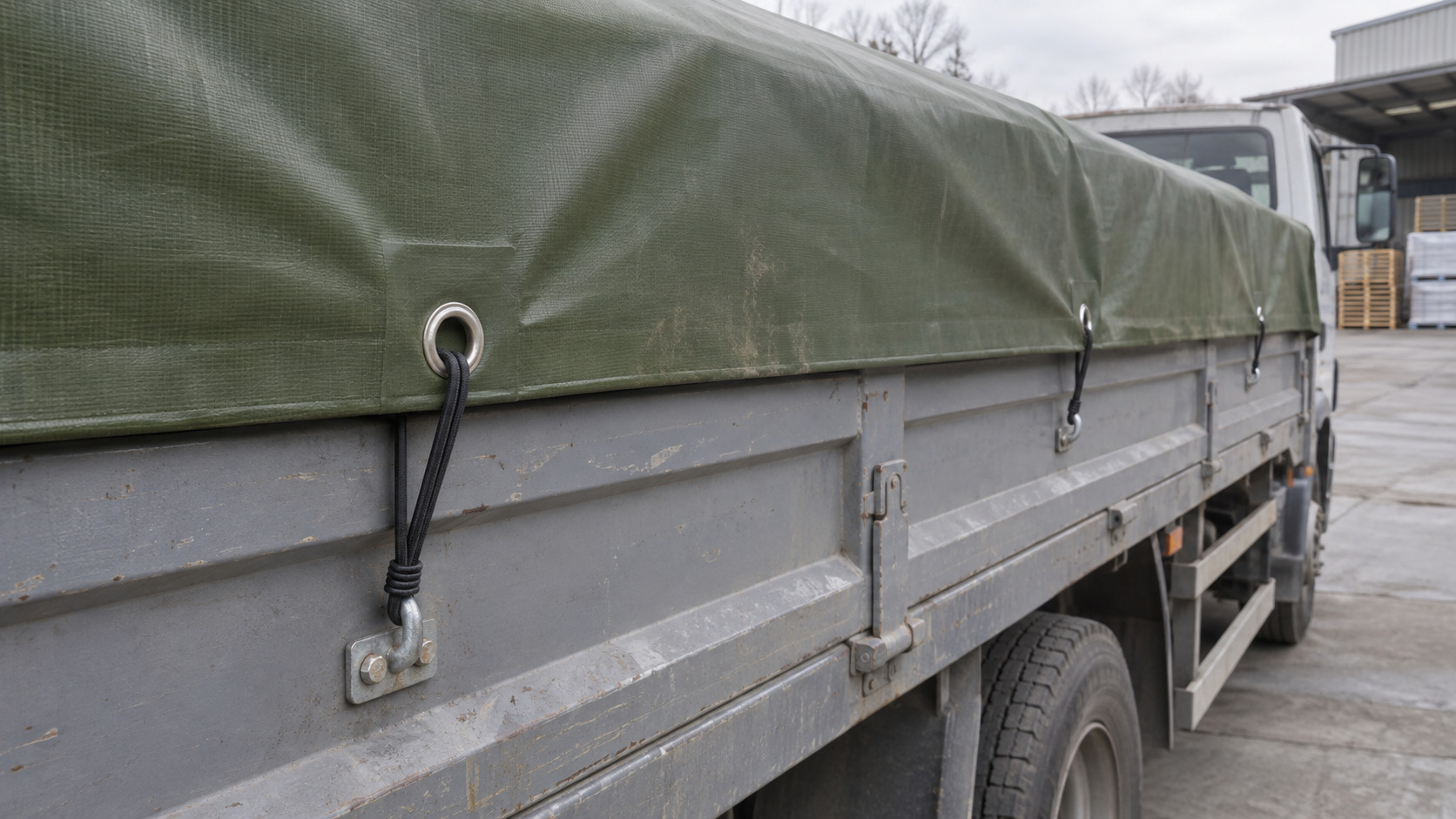
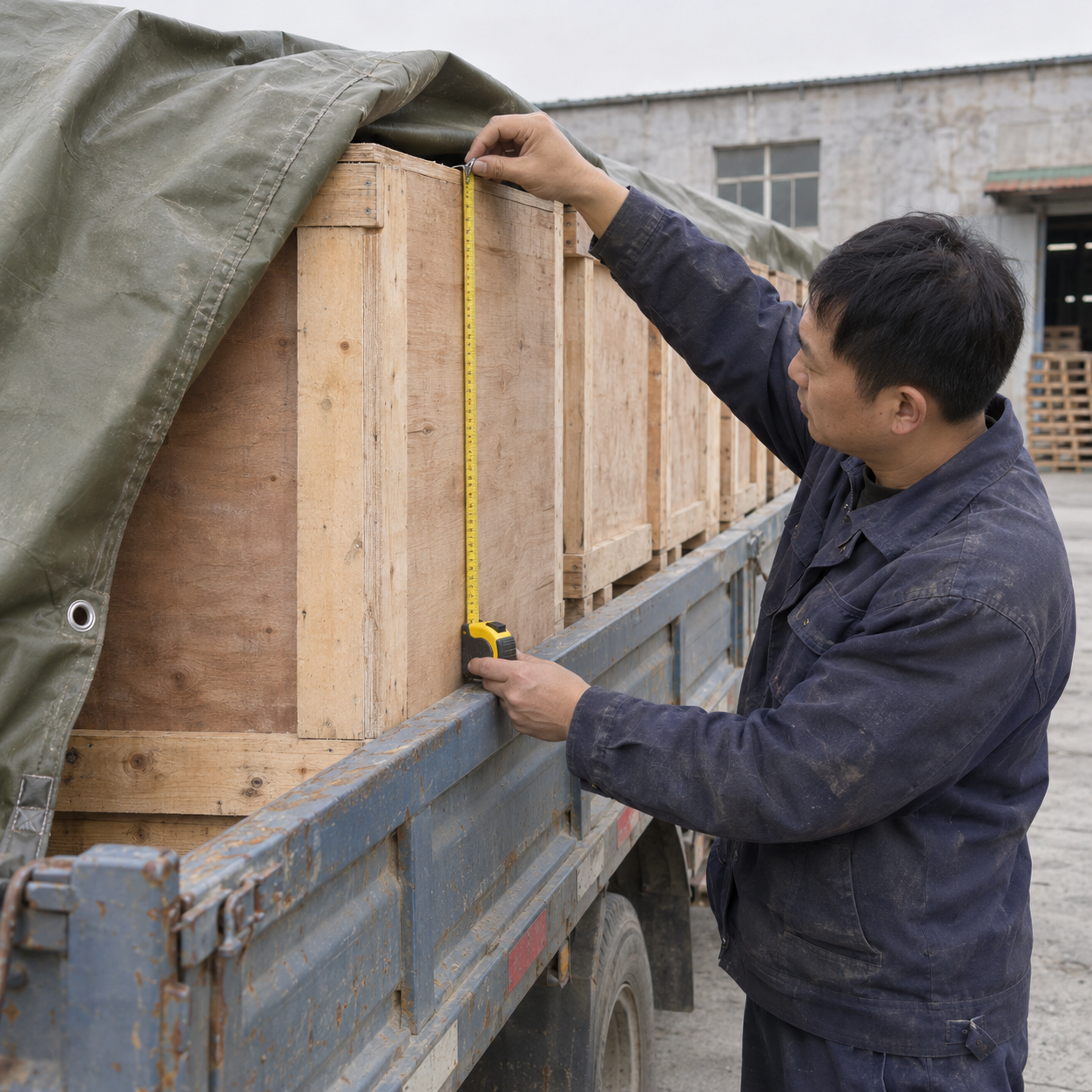
Measure the length and width across the top of a typical load. Then measure how far the tarp needs to drop on the left, right, front and rear. On an open truck with sideboards or stake sides, mark where the lower edge should sit and where the tarp attachment points are. If loads vary in height, check that the drop works for both your usual load and your tallest one.
For a rectangular load with a level top, the calculation is straightforward. If the load is 2.5 m wide and you need 0.75 m of cover on each side, the finished tarp width is 4.0 m. Use the same approach for length, adding the front and rear drops separately. For an arched frame or uneven load, measure along the contour the tarp will follow. When ordering, specify the finished dimensions after hemming.
Compare PVC and PE truck tarps
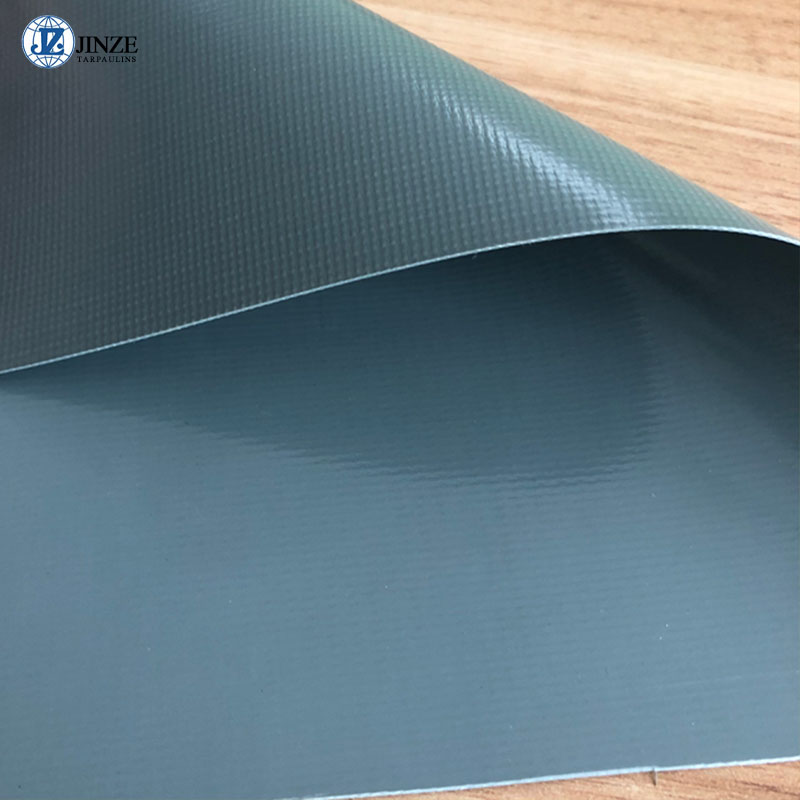
A knife-coated PVC tarp has a woven polyester base. During manufacture, a blade controls the thickness of the PVC coating, which is then fused by heat. A common woven PE tarp uses a woven polyethylene core with a protective polyethylene layer on each side. Both constructions can provide rain protection. The differences that matter in daily use are how the finished cover handles, where it wears and what it costs to keep in service.
| What matters on your route | PVC-coated polyester tarp | Lightweight woven PE tarp |
|---|---|---|
| Frequent loading and unloading | A reinforced grade is worth considering for repeated folding and contact with sideboards. | Check tear strength and edge reinforcement if the cover will see daily use. |
| Handling a large sheet | Ask for the finished weight and consider how the crew will deploy it. | A lower fabric weight makes a cover of the same size easier to carry and fold. |
| Purchase and upkeep | Compare the initial price with repair options, especially for local wear patches. | A lower purchase price can suit occasional use or a spare cover. Include replacement frequency in the comparison. |
Estimate how much the cover will weigh
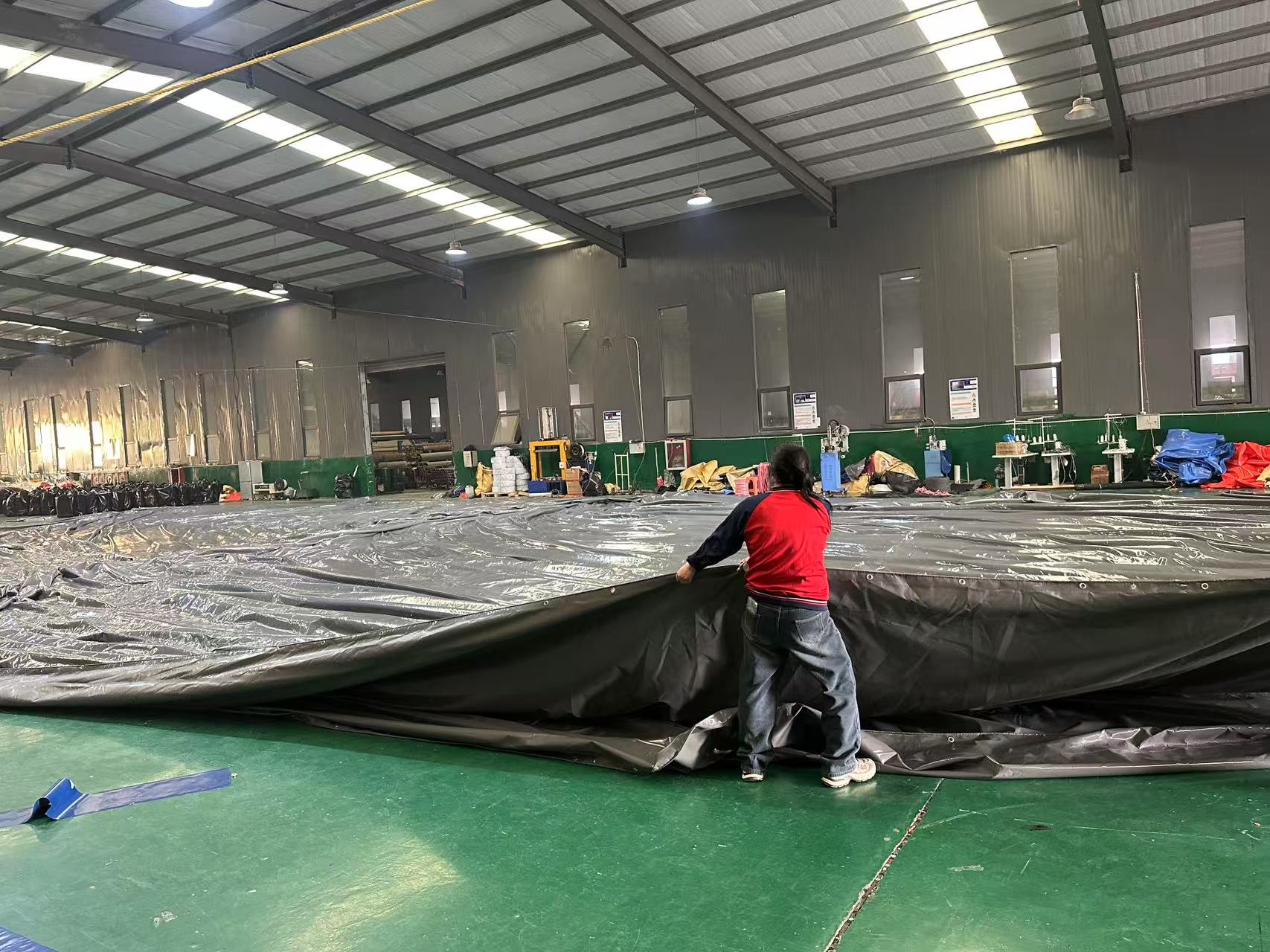
A 10 m × 6 m sheet made from 650 g/m² fabric contains approximately 39 kg of fabric. Hems, overlaps, reinforcement and hardware add to the finished weight. This is why truck length alone tells you little about how manageable a tarp will be. If the estimate looks impractical for your crew, compare a sectional cover or a compatible roll-up system before settling on the fabric grade.
Check rain protection, seams and wear points
For rain-sensitive freight, inspect the whole cover. Even waterproof fabric can leave cartons exposed if the rear flap ends above them. Ask how panels are joined and, for a welded PVC cover, request a seam sample. Check the front corners and tailgate overlap against the way the truck is actually loaded.
For repeated wear, use the old tarp as a guide. If the same corner rubs through on every cover, mark that spot on a photo so the supplier can position a wear patch there. If eyelets pull out while the rest of the sheet is sound, compare hem construction, reinforcement behind the eyelets and alignment with the truck’s tarp hooks. Secure the cargo with restraints suitable for the load, then fasten the weather cover to its designated points.
For sun exposure, distinguish shade from fabric life. An opaque cover shades the cargo. A UV-resistance specification describes how the tarp material withstands sunlight over time. For fresh fruit or vegetables on longer journeys, also check the crop’s temperature and airflow requirements before choosing a cover.
Common questions about truck tarps
Does a higher GSM mean better tear resistance?
GSM tells you how much a square metre of fabric weighs. To compare tear resistance, ask for test results in both fabric directions and check that the suppliers used the same test method and units.
How can a fleet compare costs over time?
Add the purchase price, repairs and replacements over the same period, then divide by the number of covered trips. Use records from similar routes. A low upfront price can suit an occasional cover, while a repairable tarp may cost less per trip on a daily run.
What to send with a truck tarp enquiry
To request a quote for a custom truck tarp, send the finished length and width, the required drop on each side and end, and a sketch or photo showing the attachment points. Include how often the cover is removed and any wear you have seen on the current tarp. Ask for the finished cover weight, fabric weight in g/m², tear strength, seam construction and reinforcement details. With those figures, you can compare quotations for the same job and decide whether a heavier reusable PVC cover or a lighter PE sheet makes more sense for your route.
Why Heavy-Duty Tarps Are Used for Demanding Applications
Related Article