How to Protect a Vehicle or RV When Stored Outdoors
How to Protect a Vehicle or RV When Stored Outdoors ?
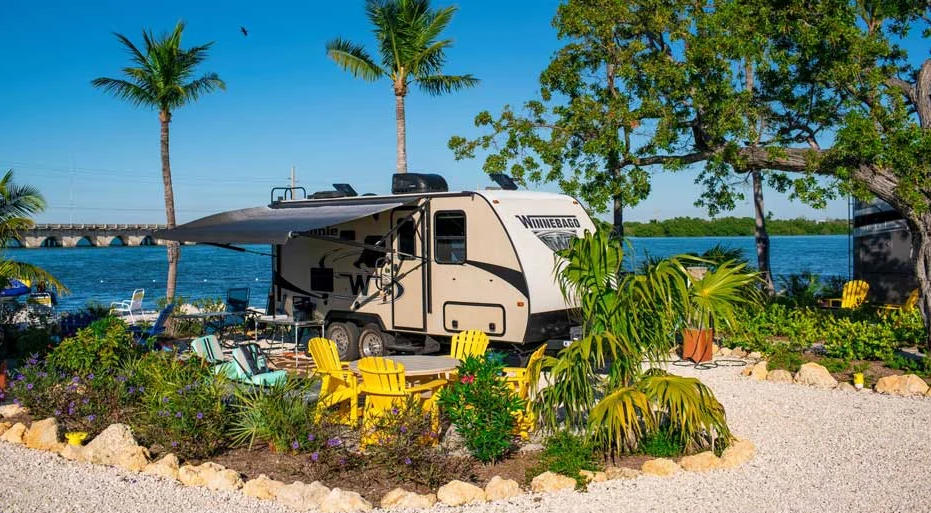
Vehicles and RVs are valuable assets that bring convenience and enjoyment to travel. However, when indoor storage is unavailable and they must be left outdoors, natural elements such as sunlight, rain, wind, snow, and dust can become “silent killers” for your beloved vehicles. Long-term, unprotected outdoor storage not only causes the paint to fade, the interior to crack, and rubber seals to age, but can also lead to rust on metal parts and mold growth inside the vehicle, significantly shortening the vehicle’s lifespan and diminishing its value.
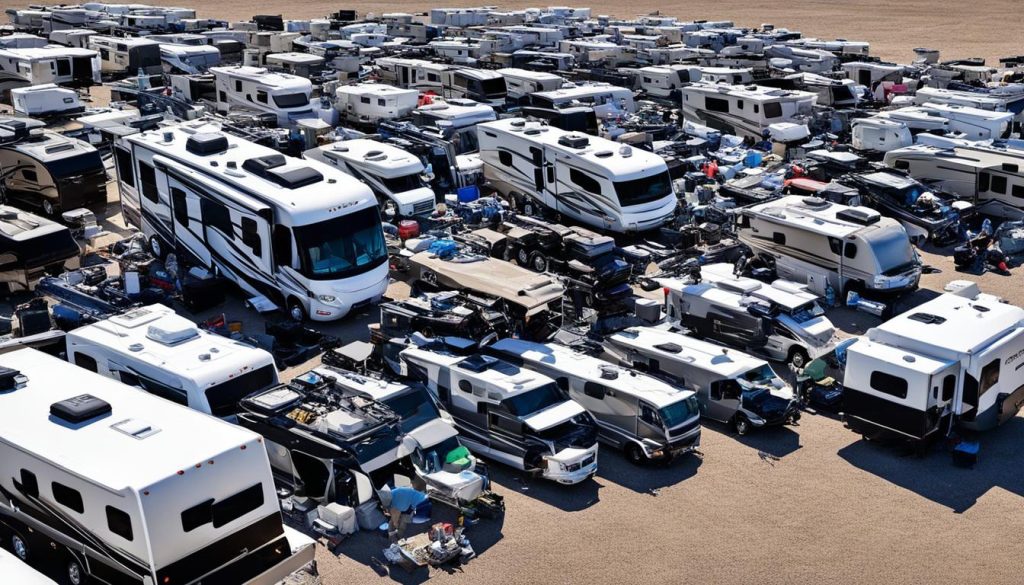
Although the manufacturing processes used for cars and RVs are designed to withstand everyday weather conditions, prolonged exposure to the elements can cause wear and tear to increase exponentially. Ultraviolet (UV) rays are the “number one enemy” of vehicle paint and interiors. Prolonged exposure can damage the clear coat, causing the paint to lose its luster, develop color variations, or even crack.
Rainwater and dew that accumulate on the exterior and interior of a vehicle can cause metal parts to come into contact with moisture and rust. The damp conditions in the corners of the cabin can also lead to the growth of mold and mildew, which not only detracts from the interior’s appearance but also produces unpleasant odors that can be harmful to your health.
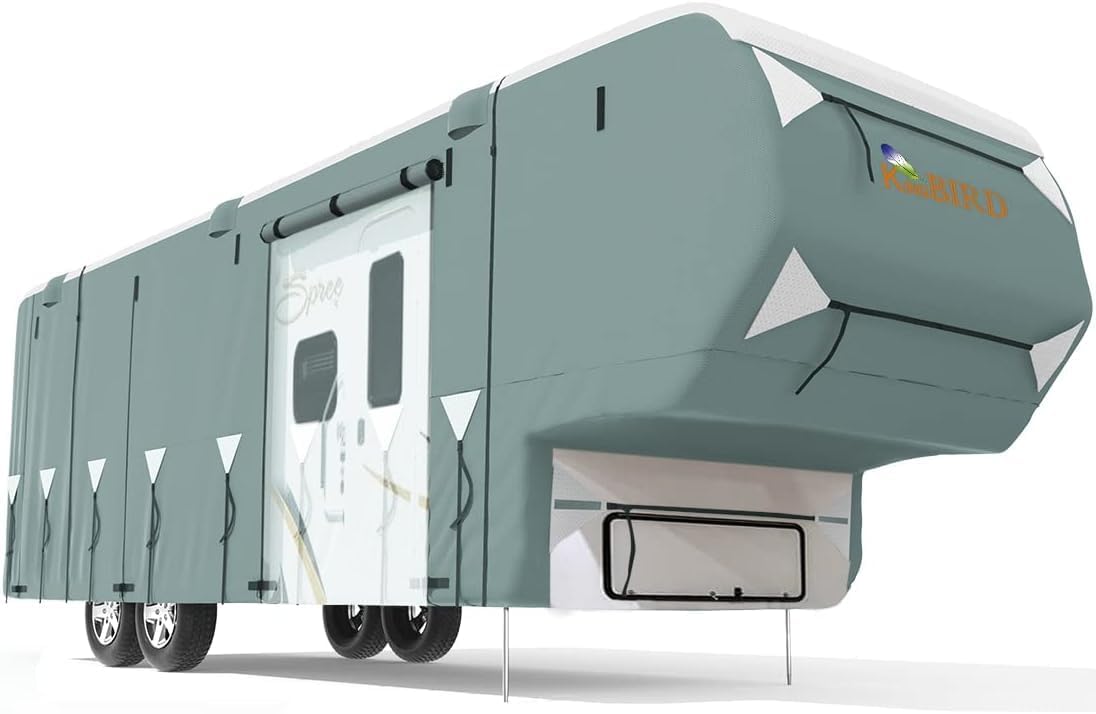
In addition, the accumulation of debris such as fallen leaves, dust, and bird droppings can scratch the paintwork when the vehicle is driven or wiped down, while the weight of snow and ice can place additional stress on the body, windows, and roof of the RV, leading to deformation, cracks, and other issues. When it comes to storing vehicles and RVs outdoors, the three main types of protection currently in use are heavy-duty waterproof tarps, canopy systems, and vehicle-specific covers.
- Heavy-duty PVC Tarp
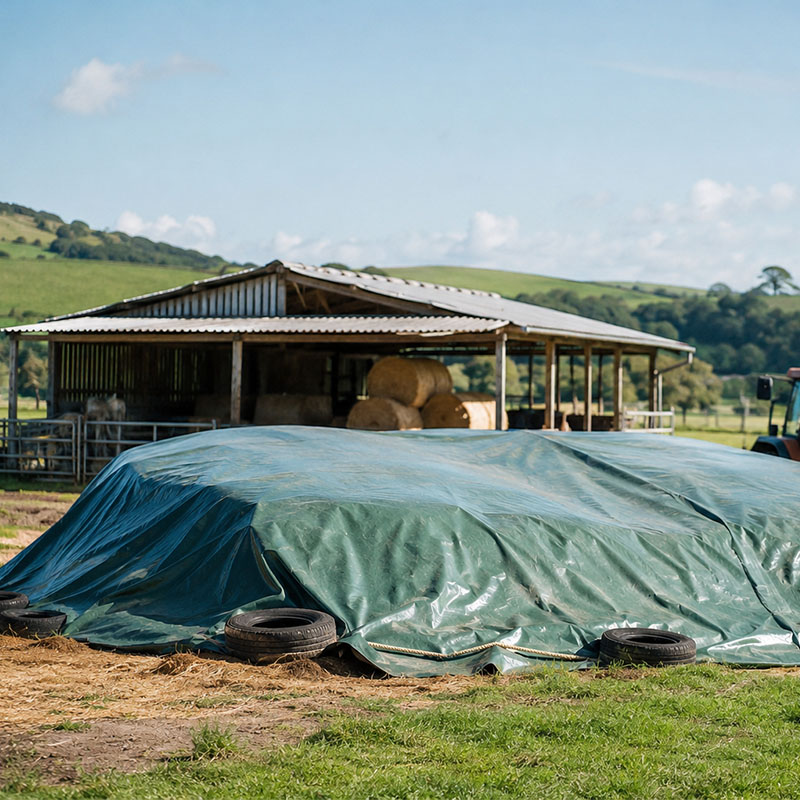
PVC Heavy-duty waterproof tarps offer the best value and greatest flexibility among protective options. PVC vinyl tarps are suitable for a wide range of vehicles, including cars, trucks, and trailers, and are particularly ideal for short- to medium-term outdoor storage, vehicles with irregular shapes, or situations requiring temporary protection. High-quality heavy-duty waterproof tarp covers are made from abrasion-resistant, UV-resistant, and waterproof materials, effectively protecting against rain, snow, sunlight, and debris. PVC tarp covers are easy to install and remove, and take up minimal space when stored.
As an industrial-grade protective material, PVC tarpaulins feature a base fabric made of high-strength polyester filament yarn, with a dense PVC coating applied to both sides. Through a high-temperature heat-sealing process, PVC tarpaulins form a seamless, waterproof barrier capable of withstanding hydrostatic pressure of 3,000 mm or more. Neither heavy rain nor meltwater from snow can penetrate the material, effectively preventing rust and mold growth inside the vehicle caused by water accumulation at the source.
PVC tarpaulins offer exceptional physical strength and environmental adaptability, making them suitable for protective applications across diverse regions and climates. With both longitudinal and transverse tear strengths exceeding 1,000 N, PVC tarpaulins can withstand strong wind impacts and abrasion from debris such as branches and gravel. Even in high-wind conditions, when properly secured, PVC tarpaulins are unlikely to be blown away or damaged. Their temperature resistance ranges from -30°C to 70°C, ensuring PVC tarpaulins do not become hard and brittle in the severe cold of northern regions or soften and deform in the intense heat of the south, making them suitable for the climatic conditions of all regions across the country. Furthermore, the PVC tarp features a smooth, dense surface that does not attract dust or fallen leaves. It can be easily cleaned with a simple wipe or rinse, preventing debris buildup that could scratch the vehicle’s paintwork and making maintenance hassle-free.
- Portable Garage
By using a metal or rigid frame to create a self-contained shelter, a canopy system completely separates the protective layer from the vehicle’s surface, significantly improving ventilation and reducing direct friction between the protective material and the vehicle body. At the same time, it effectively minimizes heat buildup inside the vehicle and on the body, offering more comprehensive protection than waterproof tarps or protective covers.
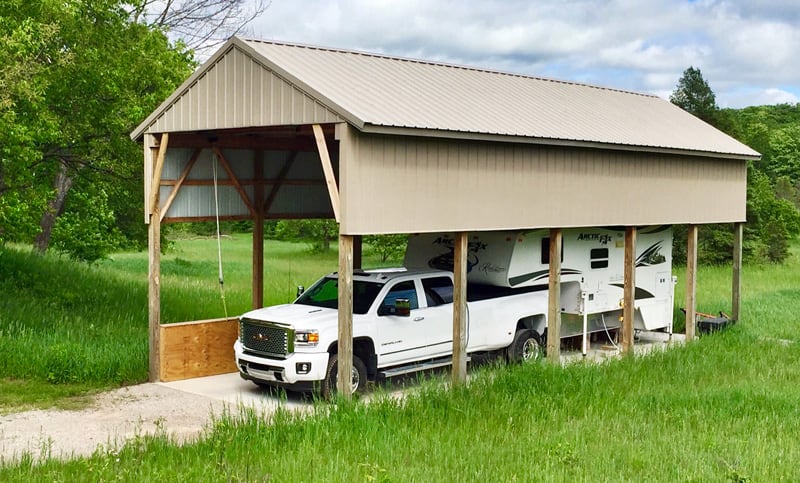
The canopy system is designed for large vehicles such as RVs, yachts, and large trailers, and is also ideal for situations requiring frequent vehicle access. Its sturdy frame structure withstands harsh weather conditions like strong winds and heavy snow, providing comprehensive protection for the vehicle. Additionally, the canopy’s open design allows for vehicle access without removing protective covers, significantly enhancing convenience. It is an ideal choice for long-term outdoor storage. The only drawback is that the initial investment is higher than that of a waterproof tarp, and a fixed installation site is required.
The key to protecting vehicles stored outdoors lies in using the right materials to create a robust barrier against the elements, safeguarding both the vehicle’s performance and value. With its comprehensive advantages—including waterproofing, UV resistance, weather resistance, durability, and adaptability—PVC tarpaulin precisely addresses the various challenges of outdoor vehicle protection. It not only withstands external elements such as wind, rain, and dust but also balances ease of use with cost-effectiveness. In today’s environment of limited indoor storage resources, selecting high-quality PVC tarpaulin and using it properly can effectively extend the service life of vehicles stored outdoors and reduce maintenance and repair costs.
Which Color of Tarpaulin Is the Most Durable
Why PVC Tarp Can Perfectly Protect Your Hay
Related Article