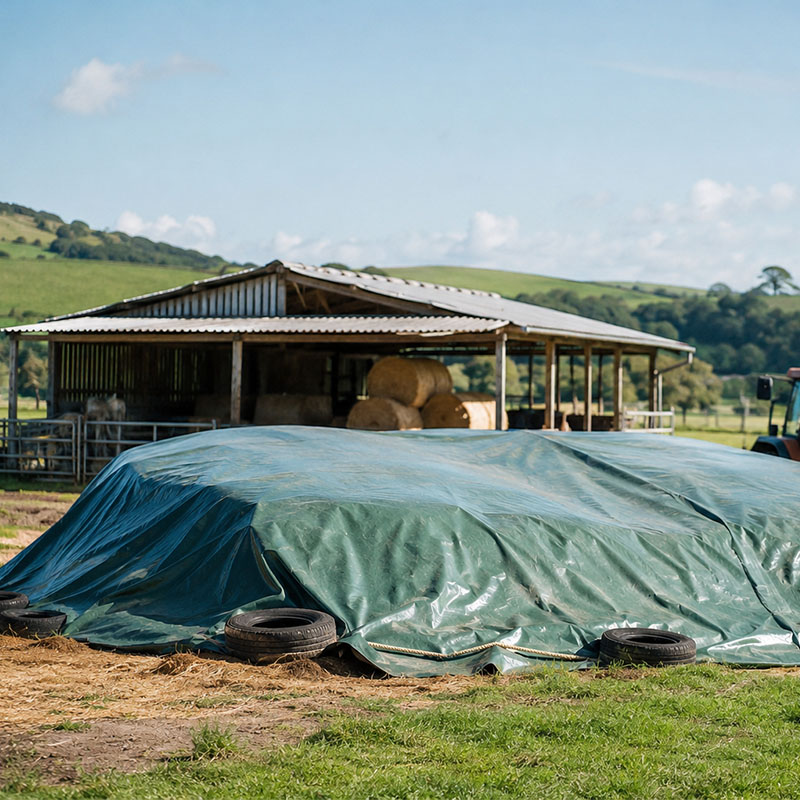
What Are Tarps Made Of
What Are Tarps Made Of ?
Tarpaulins, commonly known as tarps, are essential materials used across construction, transportation, agriculture, industry, and outdoor applications. From protecting goods against rain to covering trucks and equipment, tarps play a vital role in modern logistics and infrastructure. But one question is frequently asked by buyers and end users alike: what are tarps made of?
The answer depends on the type of tarp, its intended use, and the performance requirements. While traditional tarps were made from natural fibers, modern tarpaulins are primarily manufactured using advanced synthetic materials. Among these,
This article provides a comprehensive explanation of what tarps are made of, with a strong focus on PVC-based tarpaulin materials, their structure, advantages, applications, and why they dominate the global tarp market.
What Is a Tarpaulin?
A tarpaulin is a large, flexible, durable sheet designed to protect people, equipment, or materials from environmental elements such as rain, wind, dust, and sunlight. Tarps are typically waterproof or water-resistant and are used both temporarily and permanently depending on the application.
Although the terms tarp and tarpaulin are often used interchangeably, “tarpaulin” usually refers to industrial or heavy-duty materials, while “tarp” is commonly used in everyday language.
From a structural standpoint, most tarpaulins consist of:
- A base fabric that provides strength
- A coating or laminate layer that adds waterproofing and durability
- Optional surface treatments such as UV resistance, flame retardancy, or anti-mildew protection
Understanding these layers is key to understanding what tarps are made of.
Common Materials Used to Make Tarps
Over time, tarp materials have evolved significantly. Today’s tarps can be made from a variety of materials, each offering different performance characteristics.
Traditional Tarp Materials
Historically, tarps were made from:
- Canvas (cotton or linen) – strong but not fully waterproof
- Waxed fabrics – water-resistant but heavy and high-maintenance
While still used in niche applications, these materials have largely been replaced by synthetic alternatives.
Modern Synthetic Tarp Materials
Today, the most common tarp materials include:
- Polyethylene (PE) tarpaulin
- Vinyl tarpaulin
- PVC tarpaulin
- PVC coated fabric
Among these, PVC tarpaulin and PVC tarp products are considered the industry standard for heavy-duty and waterproof applications.
What Is PVC Tarpaulin?
PVC tarpaulin is a high-performance tarp material made by coating a strong base fabric—usually polyester—with polyvinyl chloride (PVC). This combination creates a flexible, durable, and fully waterproof tarpaulin suitable for demanding environments.
PVC tarpaulin is widely used because it offers an excellent balance of strength, durability, weather resistance, and cost efficiency.
Structure of PVC Tarpaulin
A typical PVC tarpaulin consists of:
- Provides tensile strength and tear resistance
- Determines overall durability
- Applied to one or both sides
- Create waterproof, airtight, and chemical-resistant properties
- UV resistance
- Flame retardancy
- Anti-mildew or anti-fungal coatings
This layered structure is what makes PVC tarpaulin one of the most reliable tarp materials on the market.
What Is PVC Coated Fabric?
PVC coated fabric is the core material used to manufacture most PVC tarpaulins and PVC tarps. It refers to a textile substrate—typically polyester—onto which a layer of PVC is applied.
How PVC Coated Fabric Is Made
There are several manufacturing methods used to produce PVC coated fabric, including:
- Knife coating
- Lamination
- Calendering
During these processes, liquid or semi-liquid PVC is applied to the fabric and then cured to form a strong bond. The result is a fabric that is flexible yet extremely tough.
Key Advantages of PVC Coated Fabric
- Excellent waterproof performance
- High resistance to tearing and abrasion
- Strong resistance to chemicals and oils
- Long service life in outdoor environments
Because of these advantages, PVC coated fabric is the preferred material for waterproof tarpaulin products used in industrial and commercial applications.
PVC Tarp vs Other Types of Tarps
To better understand what tarps are made of, it is helpful to compare PVC tarp materials with other common tarp options.
PVC Tarp vs PE Tarpaulin
- PVC tarp: heavier, stronger, longer lifespan
- PE tarpaulin: lighter, cheaper, shorter service life
- PVC tarps are better suited for long-term and heavy-duty use
PVC Tarpaulin vs Canvas Tarpaulin
- PVC tarpaulin is fully waterproof
- Canvas tarps are only water-resistant
- PVC requires less maintenance and performs better in harsh weather
For applications requiring durability and waterproofing, PVC tarpaulin is generally the superior choice.
Is PVC Tarpaulin Waterproof?
Yes, PVC tarpaulin is 100% waterproof.
The waterproof performance comes directly from the PVC coating, which creates a non-porous barrier that prevents water penetration. Unlike woven fabrics alone, PVC coated fabric does not absorb moisture, making it ideal for outdoor and industrial use.
Additionally, PVC tarpaulins are often:
- Heat-welded at seams instead of stitched
- Designed to prevent leakage at joints
This makes PVC tarpaulin one of the most reliable waterproof tarp materials available.
Applications of PVC Tarpaulin
Thanks to its excellent performance, PVC tarpaulin is used across a wide range of industries.
Industrial and Transportation Uses
- Truck side curtains
- Truck covers
- Cargo protection
- Warehouse covers
Construction and Agriculture
- Scaffold tarpaulins
- Temporary shelters
- Grain covers
- Greenhouse materials
Outdoor and Commercial Applications
- Tents and event structures
- Awnings and canopies
- Inflatable boats and structures
- Sports and advertising products
These applications highlight why PVC tarp materials are considered versatile and dependable.
How to Choose the Right PVC Tarpaulin
Selecting the right PVC tarpaulin depends on several technical factors:
- Thickness and weight (GSM): higher GSM means stronger material
- Base fabric density: affects tear resistance
- Coating quality: determines waterproofing and lifespan
- Compliance and certifications: such as REACH, ROHS, ISO standards
Understanding these parameters ensures you choose a waterproof tarpaulin that meets your specific requirements.
Environmental and Safety Considerations
Modern PVC tarpaulin technology has improved significantly in terms of environmental impact and safety. Many manufacturers now produce:
- Low-toxicity PVC
- REACH-compliant materials、
- Long-lasting tarps that reduce waste through extended service life
When properly manufactured, PVC coated fabric is safe for industrial and commercial use and meets international regulatory standards.
Frequently Asked Questions
What are tarps made of?
Tarps are commonly made of PE, canvas, vinyl, or PVC coated fabric. PVC tarpaulin is one of the most durable and waterproof options.
Is PVC tarpaulin better than PE tarpaulin?
For heavy-duty and long-term applications, PVC tarpaulin generally performs better due to higher strength and durability.
How long does a PVC tarp last?
Depending on usage and environment, a high-quality PVC tarp can last 5–10 years or longer.
What is PVC coated fabric used for?
PVC coated fabric is used to produce waterproof tarpaulins, truck covers, tents, awnings, and industrial protective materials.
Conclusion: Why PVC Tarpaulin Leads Modern Tarp Materials
So, what are tarps made of? While many materials exist, PVC tarpaulin made from PVC coated fabric has become the leading choice for modern tarp applications. Its superior waterproof performance, durability, versatility, and cost efficiency make it ideal for industries that demand reliable protection.
Whether you need a PVC tarp for transportation, a waterproof tarpaulin for construction, or a high-performance PVC coated fabric solution, PVC tarpaulin continues to set the standard in today’s global market.
Why Tarp is Waterproof
A Tarp
Related Article