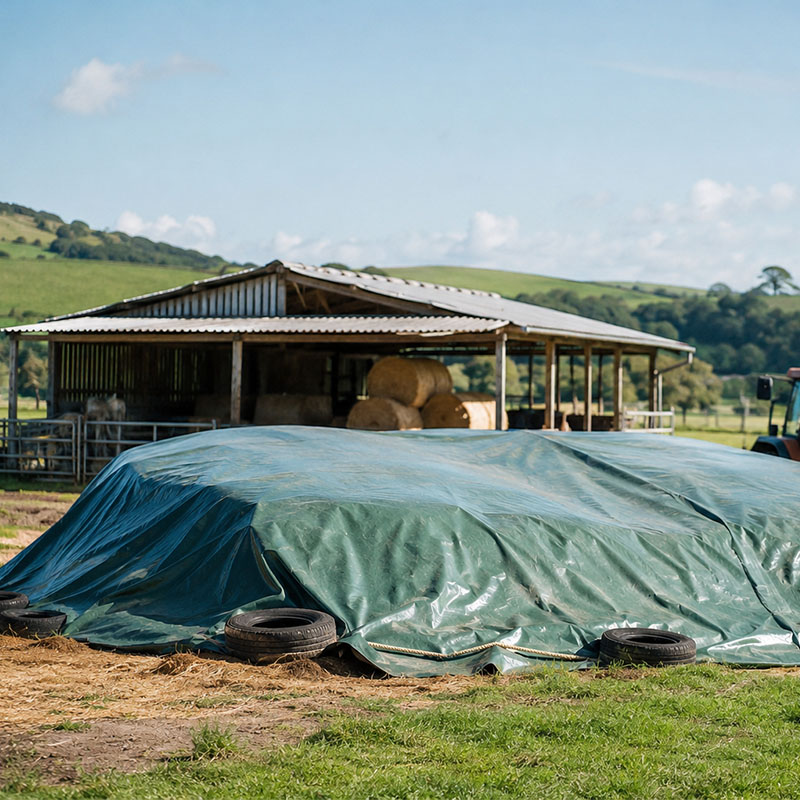
What is the difference between PVC and PVC tarpaulin
What is the difference between PVC and PVC tarpaulin?
In both everyday life and industrial settings, PVC and PVC tarpaulins are two materials we encounter frequently. Because their names are so similar, many people mistakenly believe they are the same thing, just with different names. In reality, there is a fundamental difference between these two: one is a basic plastic material, while the other is a composite finished fabric. At the same time, the two are inextricably linked. Today, we’ll break it down in simple terms to help you clearly distinguish between PVC and PVC tarpaulin, understand their connections and differences, and make it easier for you to identify, select, and use them in your daily life.

First, let’s clarify the most fundamental definition: What is PVC? PVC stands for polyvinyl chloride. It is one of the most common general-purpose plastics on the market and a basic chemical raw material. PVC products are everywhere in our daily lives—plastic water pipes, electrical wire insulation, clear plastic tablecloths, plastic slippers, door and window profiles, raincoats, and more are all made from PVC.
Simply put, PVC is a type of pure plastic. It comes in the form of plastic pellets or powder, or as processed and molded plastic sheets, films, and pipes. Depending on the formulation, PVC can be made into rigid plastics, such as water pipes and cable conduits, or into flexible plastics, such as plastic films and waterproof tablecloths. However, regardless of whether it is rigid or flexible, it is essentially a single plastic material containing no fabric components. This is its most fundamental characteristic.
PVC tarpaulin—commonly known as PVC waterproof fabric or plastic-coated fabric—is not the same material as pure PVC. To be simple, PVC tarpaulin is a composite material made from a combination of "fabric + PVC plastic." Its core consists of a high-strength polyester fiber base fabric—similar in principle to the fabric used in our clothing—which is extremely durable. A layer of PVC waterproof plastic coating is evenly applied to both sides of the fabric and fused into a single unit through high-temperature processing.
This explains the fundamental connection between the two: PVC is one of the key raw materials used in the manufacture of PVC tarpaulins. Without a PVC plastic coating, there would be no waterproof, abrasion-resistant PVC tarpaulins. PVC provides the tarpaulin with waterproofing, wind resistance, and corrosion resistance, while the inner fabric provides the tarpaulin with flexibility and tensile strength. The two complement each other, and this is the most significant link between them.

Now that we understand the basic definitions and connections, let’s discuss the most obvious differences between the two from a practical perspective. First, there is a difference in structure and toughness. Pure PVC is a single-material plastic, and its biggest drawback is that it is prone to damage and has poor tensile strength. For example, the transparent PVC tablecloths we commonly use will warp if pulled too hard, tear easily if scraped by sharp objects, and become hard and brittle in cold temperatures, making them prone to cracking.
In contrast, PVC tarpaulins incorporate a fiber-reinforced base fabric, which significantly enhances their toughness and fully compensates for the shortcomings of pure PVC. Whether subjected to forceful pulling, folding, or scrunching, or exposed to strong outdoor winds and friction from gravel, they are highly resistant to tearing and damage. Even after repeated folding and storage over long periods, they do not crack or peel like ordinary PVC plastic, making them far more durable than pure PVC materials.
Next is the difference in waterproofing and outdoor performance. Pure PVC is inherently waterproof, which is why many people use PVC tarps to cover items. However, it is only suitable for indoor use or short-term coverage. When left outdoors for extended periods under direct sunlight or rain, pure PVC will age rapidly, gradually hardening, yellowing, and cracking, causing its waterproofing properties to fail completely and resulting in a very short service life.
The PVC coating on PVC tarps has been specially modified with additives that provide UV resistance, anti-aging properties, and mold prevention, making them specifically designed for outdoor use. Even after prolonged exposure to wind, sun, rain, and snow, PVC tarp retain their soft texture and maintain excellent waterproof performance. With extremely strong waterproof sealing, they will not leak even during heavy rain, making them ideal for outdoor applications such as truck covers, construction site rain protection, and open-air cargo storage.

Finally, there is a difference in cost and durability. Pure PVC is made from common raw materials using a simple manufacturing process, making it an affordable, basic material. However, it has a short service life and is not very durable. PVC tarpaulins, on the other hand, are produced through multiple processes—including weaving, coating, and high-temperature lamination—resulting in a more complex manufacturing process and a more durable material. While they are more expensive than standard PVC materials, they offer better value for money and can be used repeatedly over the long term with a single purchase.
In summary, PVC is a basic plastic raw material—a single-component substance that is lightweight and inexpensive but lacks flexibility and cannot withstand outdoor environments; PVC tarpaulins are composite products featuring a fiber fabric base with a protective PVC coating. They are sturdy, abrasion-resistant, waterproof, and UV-resistant, specifically designed for outdoor protection. The two materials complement each other: PVC provides the waterproof properties, while the fiber fabric compensates for the lack of flexibility in PVC plastic.
What Type of Tarp Offers the Best Fire Resistance
Advantages of PVC Tarpaulin Apron
Related Article