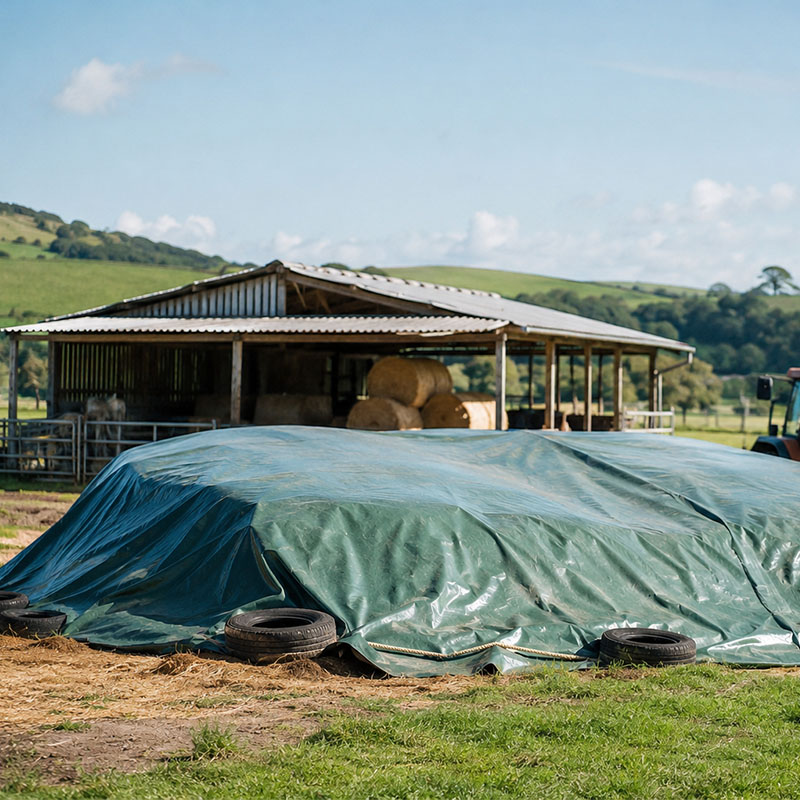
What Material Are Tarps Made Of
What Material Are Tarps Made Of ? A Complete Guide to Tarp Materials for Outdoor and Industrial Applications
Tarpaulins are widely used across construction, transportation, agriculture, warehousing, manufacturing, and outdoor recreation. Whether protecting equipment from rain, covering cargo during transportation, or shielding materials on a construction site, the effectiveness of a tarp depends largely on one factor: the material it is made from.
Today, most tarps are manufactured from four primary materials: polyethylene (PE), polyvinyl chloride (PVC), canvas, and Oxford fabric. Each offers different levels of waterproofing, durability, flexibility, and cost.
However, not all tarp materials are designed for the same purpose. Some are intended for short-term protection, while others are engineered to withstand years of outdoor exposure and harsh environmental conditions.
This guide explores the most common tarp materials, compares their performance, and explains why PVC tarpaulin has become the preferred solution for long-term outdoor and industrial applications.
Why Tarp Material Matters
The material used in a tarp directly affects its performance, lifespan, and overall value.
When selecting a tarpaulin, buyers should consider:
-
Waterproof performance
-
UV resistance
-
Tear strength
-
Weather resistance
-
Temperature tolerance
-
Service life
-
Installation requirements
-
Total cost of ownership
Choosing the wrong material can result in premature wear, water leakage, damaged equipment, and frequent replacement costs. Understanding the strengths and limitations of each material helps ensure the right solution for the job.
Common Materials Used in Tarpaulins
Polyethylene (PE) Tarpaulin
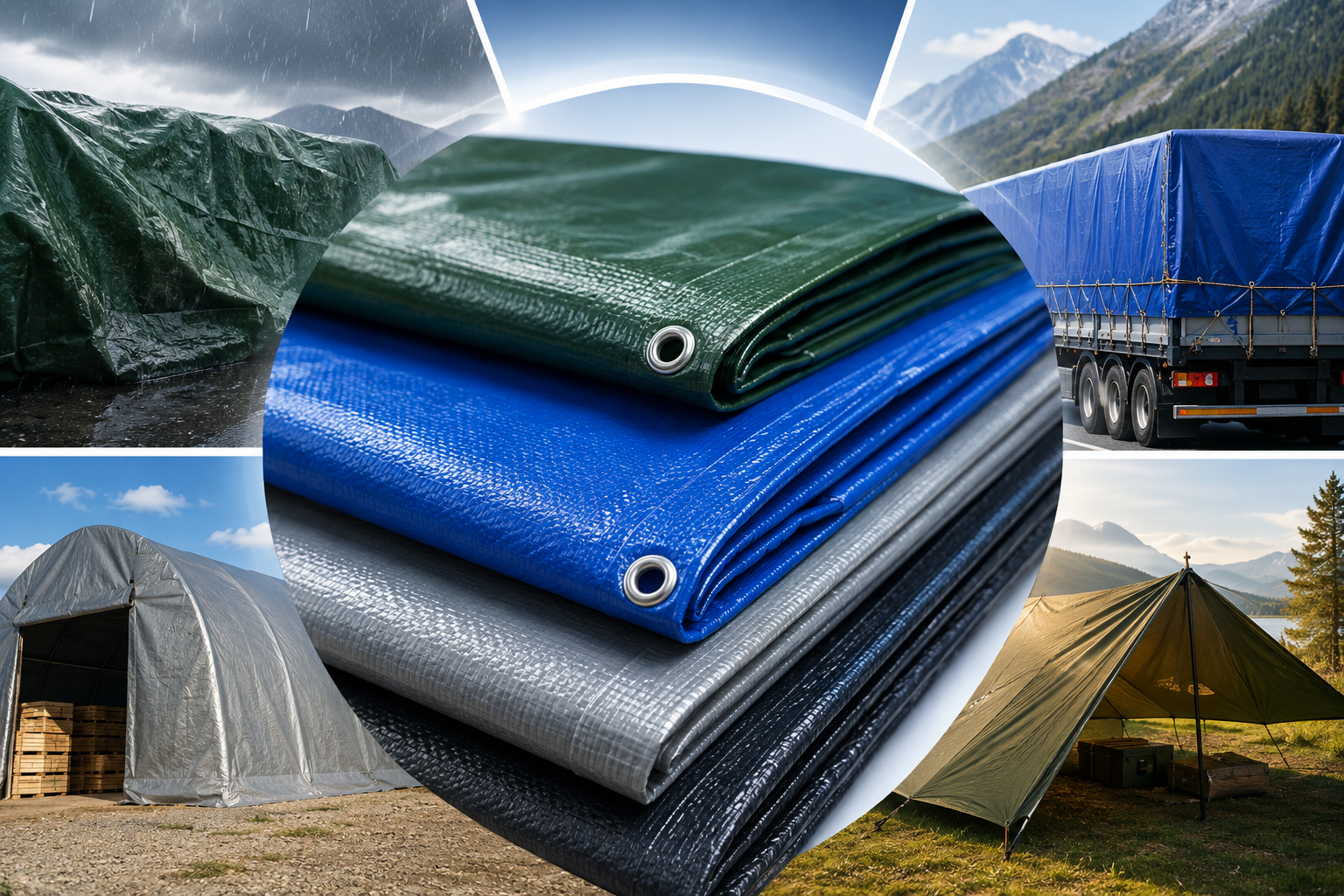
Polyethylene tarpaulin is one of the most common and economical tarp materials available today. It is typically made from woven high-density polyethylene fabric laminated on both sides with protective coatings.
The biggest advantage of PE tarps is affordability. They are lightweight, easy to transport, and simple to install. Because of their low cost, PE tarps are widely used for temporary protection and short-term outdoor projects.
Common applications include:
-
Construction dust covers
-
Temporary roof repairs
-
Agricultural crop protection
-
Emergency weather protection
-
Short-term storage covers
However, PE tarps have limitations when exposed to harsh outdoor environments for extended periods. Continuous sunlight, temperature fluctuations, and repeated handling can gradually weaken the laminated coating and woven structure.
Over time, PE tarps may become brittle, lose flexibility, and develop tears or leaks. Their typical outdoor lifespan ranges from one to three years, depending on environmental conditions.
For this reason, PE tarpaulin is generally considered a temporary protection solution rather than a long-term outdoor covering material.
Canvas Tarpaulin
Canvas tarps are traditionally made from cotton or cotton-polyester blended fabrics. Unlike synthetic materials, canvas offers excellent breathability, helping reduce condensation and moisture buildup underneath the cover.
This makes canvas suitable for protecting materials that require airflow, such as:
-
Firewood
-
Hay and agricultural products
-
Antique furniture
-
Restoration materials
Canvas tarps provide moderate water resistance but are not designed for prolonged exposure to heavy rain. They also require more maintenance and may become heavy when wet.
While canvas remains valuable for specialized applications, it is less common in modern industrial projects where waterproof performance is the primary concern.
Oxford Fabric Tarpaulin
Oxford fabric tarps are manufactured using polyester fabric coated with polyurethane (PU). They are available in different thicknesses, such as 210D, 420D, and 600D.
Oxford fabric combines portability with durability. Compared with PE tarps, it offers better UV resistance and flexibility. Compared with PVC tarpaulins, it is significantly lighter and easier to fold and store.
Typical applications include:
-
Camping tents
-
Vehicle covers
-
Outdoor furniture covers
-
Backpack rain covers
-
Garden shelters
Oxford fabric performs well in recreational and light-duty outdoor applications but is generally not suitable for heavy industrial use or long-term exposure to severe weather conditions.
PVC Tarpaulin
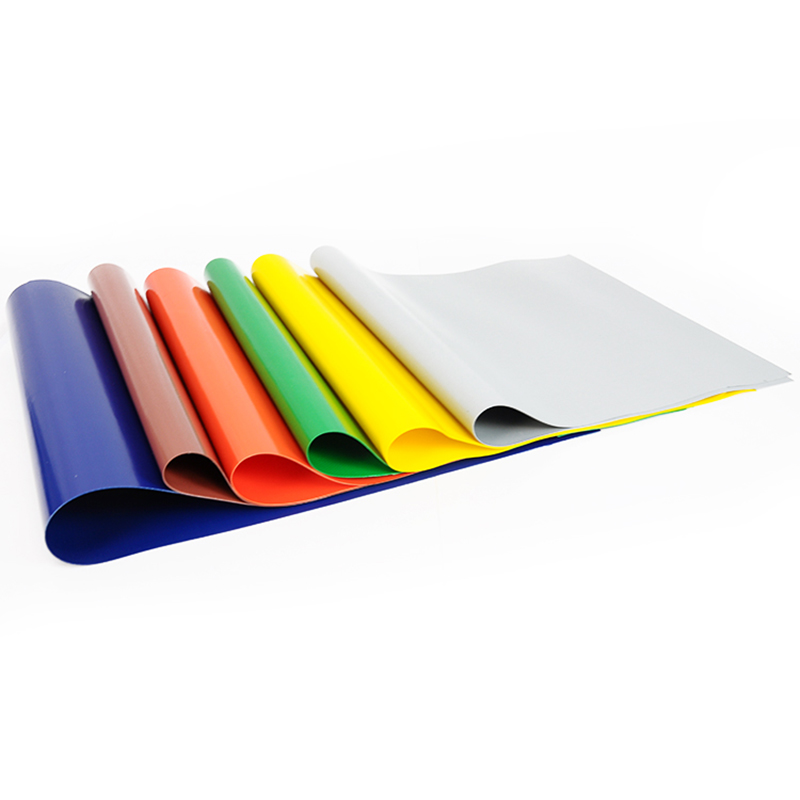
PVC tarpaulin is widely recognized as the industry standard for heavy-duty outdoor protection.
Unlike PE tarps, which rely primarily on laminated coatings, PVC tarpaulins are manufactured using high-strength polyester fabric coated or impregnated with PVC resin. This construction creates a highly durable waterproof barrier while maintaining excellent mechanical strength.
Depending on the manufacturing process, PVC tarpaulins are commonly divided into:
-
PVC Laminated Tarpaulin
-
PVC Coated Tarpaulin
Among these, PVC knife coated tarpaulin offers the highest durability, dimensional stability, and weather resistance, making it the preferred choice for demanding industrial applications.
PVC tarps are designed to withstand years of exposure to rain, sunlight, wind, snow, and temperature extremes while maintaining their protective performance.
PE Tarpaulin vs PVC Tarpaulin: Temporary Protection or Long-Term Investment?
When comparing tarp materials, the most important question is not simply which material is stronger—it is how long the tarp needs to perform outdoors.
PE tarpaulin is ideal for temporary protection. Its low cost and lightweight design make it practical for short-term projects where frequent replacement is acceptable.
PVC tarpaulin, on the other hand, is engineered for long-term outdoor use. The combination of reinforced polyester fabric and durable PVC coating provides exceptional resistance to weather, abrasion, and environmental stress.
For businesses requiring reliable year-round protection, PVC tarpaulin often delivers significantly greater value despite its higher initial cost.
Performance Comparison
| Feature | PE Tarpaulin | PVC Tarpaulin |
|---|---|---|
| Typical Use | Temporary Protection | Long-Term Protection |
| Outdoor Lifespan | 1–3 Years | 5–10 Years |
| Waterproof Performance | Good | Excellent |
| UV Resistance | Moderate | Excellent |
| Tear Strength | Moderate | Excellent |
| Abrasion Resistance | Moderate | Excellent |
| Wind Resistance | Moderate | Excellent |
| Extreme Weather Performance | Limited | Excellent |
| Industrial Applications | Basic | Professional |
The comparison clearly shows that while PE tarps offer a cost-effective solution for temporary coverage, PVC tarpaulins provide superior long-term performance in demanding environments.
Why PVC Tarpaulin Is the Preferred Choice for Harsh Outdoor Environments
Superior Waterproof Protection
One of the biggest advantages of PVC tarpaulin is its waterproof performance.
The PVC coating penetrates and seals the polyester base fabric, creating a continuous waterproof barrier. Combined with heat-welded seams, this structure prevents water penetration even during prolonged exposure to heavy rainfall.
For industries where equipment and materials must remain dry, reliable waterproofing is critical.
Excellent UV Resistance
Long-term exposure to sunlight is one of the main causes of tarp failure.
PVC tarpaulins can be formulated with UV stabilizers that help maintain flexibility and strength over many years of outdoor use. This significantly reduces cracking, brittleness, and material degradation compared with standard PE tarps.
High Tear and Abrasion Resistance
Industrial environments often involve constant movement, friction, and exposure to harsh conditions.
PVC tarpaulins reinforced with high-tenacity polyester fabric offer exceptional tear strength and abrasion resistance, helping prevent damage during transportation, installation, and daily use.
Longer Service Life
Although PVC tarps typically cost more initially, they often require far fewer replacements.
For businesses operating in outdoor environments year-round, fewer replacements mean:
-
Lower maintenance costs
-
Reduced downtime
-
Improved operational efficiency
-
Better long-term value
In many cases, the total cost of ownership for PVC tarpaulin is lower than repeatedly replacing lower-cost alternatives.
Industrial Applications of PVC Tarpaulin
Because of its durability and weather resistance, PVC tarpaulin is widely used across multiple industries.
Construction
-
Scaffolding covers
-
Building enclosures
-
Material protection
-
Temporary weather barriers
Transportation and Logistics
-
Cargo protection systems
Agriculture
-
Grain storage covers
-
Livestock shelter protection
-
Agricultural machinery covers
Industrial Operations
-
Outdoor storage systems
-
Warehouse covers
-
Temporary industrial shelters
Energy and Mining
-
Oilfield equipment covers
-
Large-scale outdoor storage
Many of these projects require oversized custom tarpaulins capable of covering hundreds or even thousands of square meters. Modern PVC knife coated tarpaulin technology enables the production of extra-large custom covers that deliver reliable long-term protection in demanding environments.
How to Choose the Right Tarp Material
The best tarp material depends on the intended application and expected service life.
Choose PE tarpaulin if:
-
Budget is the primary concern
-
Temporary protection is sufficient
-
The cover will only be used for a short period
Choose canvas if:
-
Breathability is essential
-
Condensation must be minimized
Choose Oxford fabric if:
-
Portability is important
-
The application involves camping or recreation
Choose PVC tarpaulin if:
-
Long-term outdoor protection is required
-
Harsh weather conditions are expected
-
Industrial-grade durability is needed
-
Maximum waterproof performance is important
-
Large-scale custom coverage is required
Frequently Asked Questions
1.What material are most heavy-duty tarps made of?
Most heavy-duty industrial tarps are made from PVC-coated polyester fabric because it offers excellent strength, waterproofing, and durability.
2.Is PVC tarp stronger than PE tarp?
Yes. PVC tarpaulin generally provides significantly higher tear strength, abrasion resistance, and weather resistance than PE tarpaulin.
3.What is the best tarp material for long-term outdoor use?
PVC tarpaulin is widely considered the best option for long-term outdoor protection due to its superior waterproof performance, UV resistance, and service life.
4.How long does a PVC tarp last outdoors?
A high-quality PVC tarpaulin can typically last between five and ten years, depending on environmental conditions and maintenance practices.
5.Why do industrial projects prefer PVC tarpaulin?
Industrial users prefer PVC tarpaulin because it offers reliable long-term protection against rain, wind, UV exposure, abrasion, and other harsh environmental factors.
Conclusion
Tarpaulins can be manufactured from several different materials, including PE, canvas, Oxford fabric, and PVC. Each material serves a specific purpose and budget.
PE tarpaulins remain a practical choice for temporary protection and short-term outdoor projects. Canvas provides valuable breathability, while Oxford fabric offers lightweight versatility for recreational applications.
However, for long-term outdoor exposure, harsh weather conditions, and demanding industrial environments, PVC tarpaulin stands out as the most durable and reliable solution. Its superior waterproof performance, UV resistance, tear strength, and extended service life make it the preferred choice for construction, transportation, agriculture, warehousing, energy, and large-scale industrial projects worldwide.
How to Choose PVC Tarp Rolls: GSM, Thickness & Applications
PVC Knife Coated Tarpaulin for Public Facilities & Industrial Applications
Related Article