Which Color of Tarpaulin Is the Most Durable
A Guide to Choosing Colors for Outdoor Protective Tarpaulins
Tarpaulins are essential tools for protecting assets and ensuring smooth operations, and durability in harsh outdoor environments is a key criterion when selecting them. In addition to basic factors such as material and craftsmanship, the color of a tarpaulin directly affects its resistance to aging and its service life. Different colors exhibit significant variations in heat reflectivity and UV resistance, and are suited for different applications. Choosing the right tarp color can effectively reduce replacement frequency, lower operational and maintenance costs, and ensure longer-lasting protection.
The durability of tarpaulins is never determined by color alone. The material is the fundamental factor, while color plays a key role in determining their performance in outdoor settings. Currently, there are three main types of tarpaulin materials commonly used in industrial and outdoor applications: polyethylene tarpaulins offer excellent value for money, which are waterproof and UV-resistant, and are suitable for basic protection in a variety of scenarios. Canvas tarps offer excellent breathability and high tensile strength. Canvas are less prone to condensation in environments where moisture control is required, making them the preferred choice for outdoor enthusiasts and certain industrial applications. PVC tarps, with their superior waterproofing, tear resistance, and UV protection, have become the primary material for high-intensity work environments such as mining, construction, and heavy-duty transportation. High-quality materials provide the foundation for a tarp’s durability, while color further determines the tarp’s lifespan in different climates by influencing heat absorption and UV blocking capabilities.

Among the key factors affecting the durability of tarpaulins, UV resistance and heat absorption are the two most closely linked to color. Prolonged exposure to UV radiation directly damages the fiber structure of tarpaulins, causing the material to become brittle and crack. Therefore, high UV resistance is an essential property for outdoor tarpaulins.

Furthermore, different colors have varying heat absorption capabilities: dark-colored tarpaulins easily absorb heat, accelerating material aging in hot climates, while light-colored tarpaulins reflect sunlight, reduce their own temperature, and slow down the aging process. Additionally, heavy-duty tarpaulins with reinforced edges and corners can effectively resist tearing caused by strong winds and abrasion, further enhancing durability. When combined with the right color selection, these design features can significantly boost the protective effectiveness of the tarpaulin.
Tarpaulins of different colors have varying strengths and weaknesses in terms of heat reflection and UV resistance, and are suited for distinctly different climates and scenarios. Understanding their characteristics is key to making the right choice. Silver tarps offer the highest heat reflectivity, effectively blocking sunlight and heat while providing exceptional UV protection. Even in outdoor environments with direct, intense sunlight, silver tarps significantly slow down material degradation, making them the optimal choice for hot climates and open-air storage. Silver tarps are also the top choice in industrial applications for reducing heat loss and preventing material damage. Its only drawback is the lack of thermal insulation, making it less suitable for scenarios where some heat retention is required.

Black tarps offer excellent UV resistance and durability, with significant heat retention properties. Black tarps provide effective protection in cold regions or shaded environments and can maintain the temperature of certain items that require insulation. However, black tarps absorb heat strongly, which accelerates their aging in environments with high temperatures and intense sunlight, significantly shortening their service life. Therefore, black tarps are not suitable for long-term outdoor use in hot regions.
White tarps share similar characteristics with silver tarps. White tarps effectively reflect sunlight, maintain a cool surface temperature, and offer excellent UV resistance. White tarps are suitable for high-temperature environments and warehousing scenarios requiring precise temperature control, and white tarps help reduce sun damage to covered items. However, white tarps show dirt easily and require more frequent cleaning and maintenance.

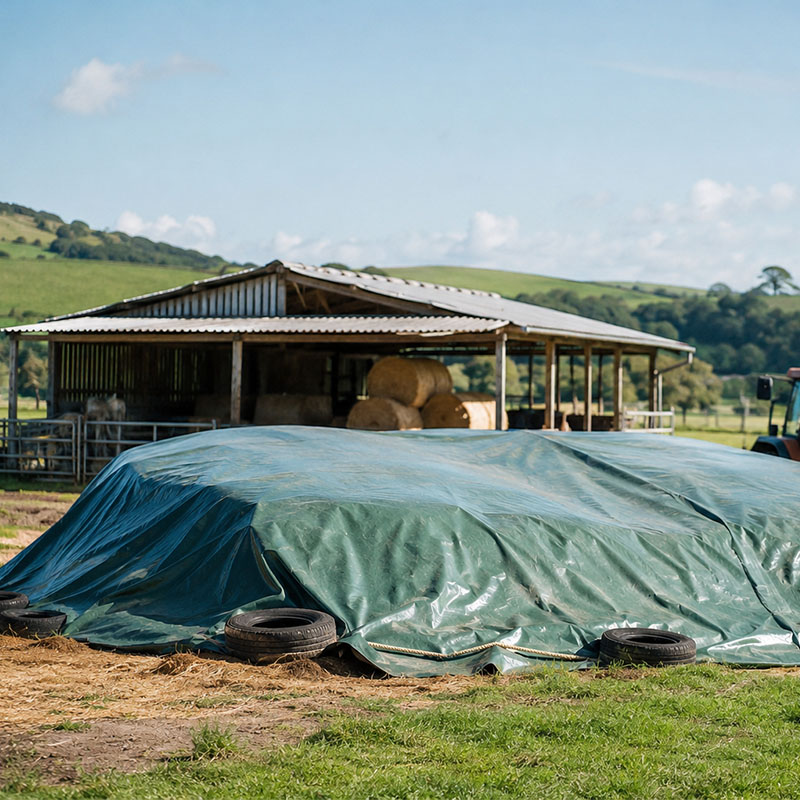
The advantage of green tarpaulins lies in their ability to blend seamlessly with the natural environment, making them a common choice for agricultural and outdoor protection. Green tarpaulins offer moderate UV resistance and are suitable for applications such as temporary shading and agricultural protection. However, green tarpaulins absorb more heat than silver or white tarpaulins and exhibit average durability under strong sunlight; for high-load applications, it is recommended to choose styles with reinforced edges.
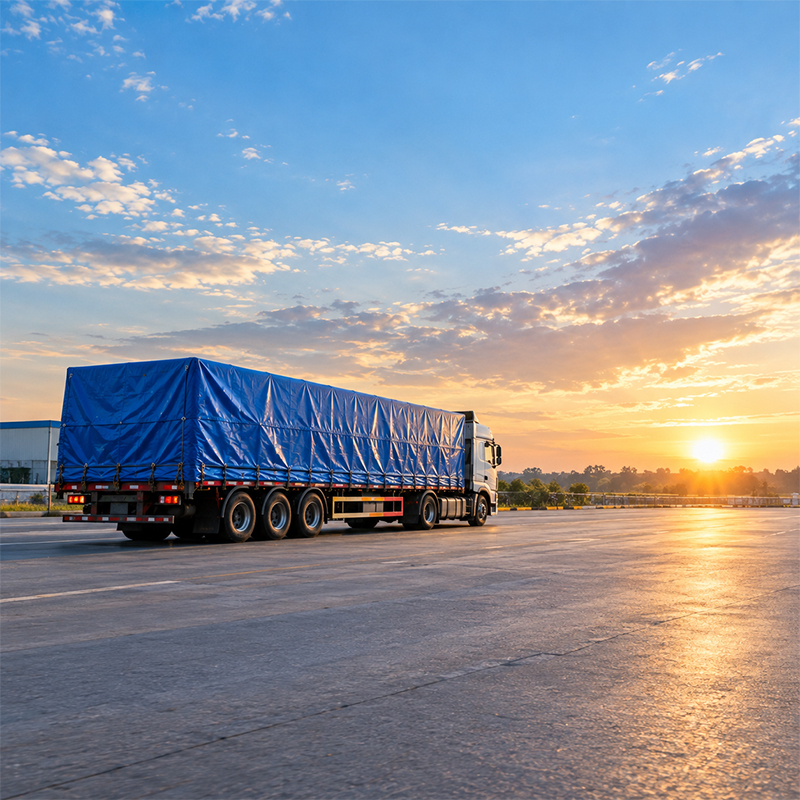
Blue tarps are often used for temporary shelter and construction due to their high cost-effectiveness and high visibility on construction sites. However, these blue tarps generally have low UV resistance and are prone to aging when exposed to intense sunlight outdoors, making them suitable only for short-term use or shaded areas.

Bright-colored tarps, such as yellow and orange, are designed for high visibility, enhancing recognition in settings like construction sites and safety zones. However, they have weak UV resistance, are prone to fading, and offer only moderate durability.
In summary, silver tarpaulins, with their excellent heat-reflective and UV-resistant properties, are the most durable choice for environments with high temperatures and intense sunlight. Black tarpaulins, on the other hand, perform exceptionally well in cold climates and rank second in terms of durability. White tarps are an excellent choice for temperature control and outdoor storage in high-temperature environments. The selection of tarp color is not set in stone. It must be tailored to the local climate and the protective requirements of the specific industry, combined with high-quality materials and craftsmanship. Choosing the right color not only provides long-lasting and reliable protection for assets but also reduces replacement frequency and lowers operational costs, making outdoor operations and asset protection more efficient.
What Makes a Custom Boat Cover Different
How to Protect a Vehicle or RV When Stored Outdoors
Related Article